


Problem
A duplicate charge is reported.
To the system, these may be five tickets. To the customer, they are one story.
Trailon reconstructs the accumulated context of the relationship so service, support, and customer success can continue where the previous interaction really left off.
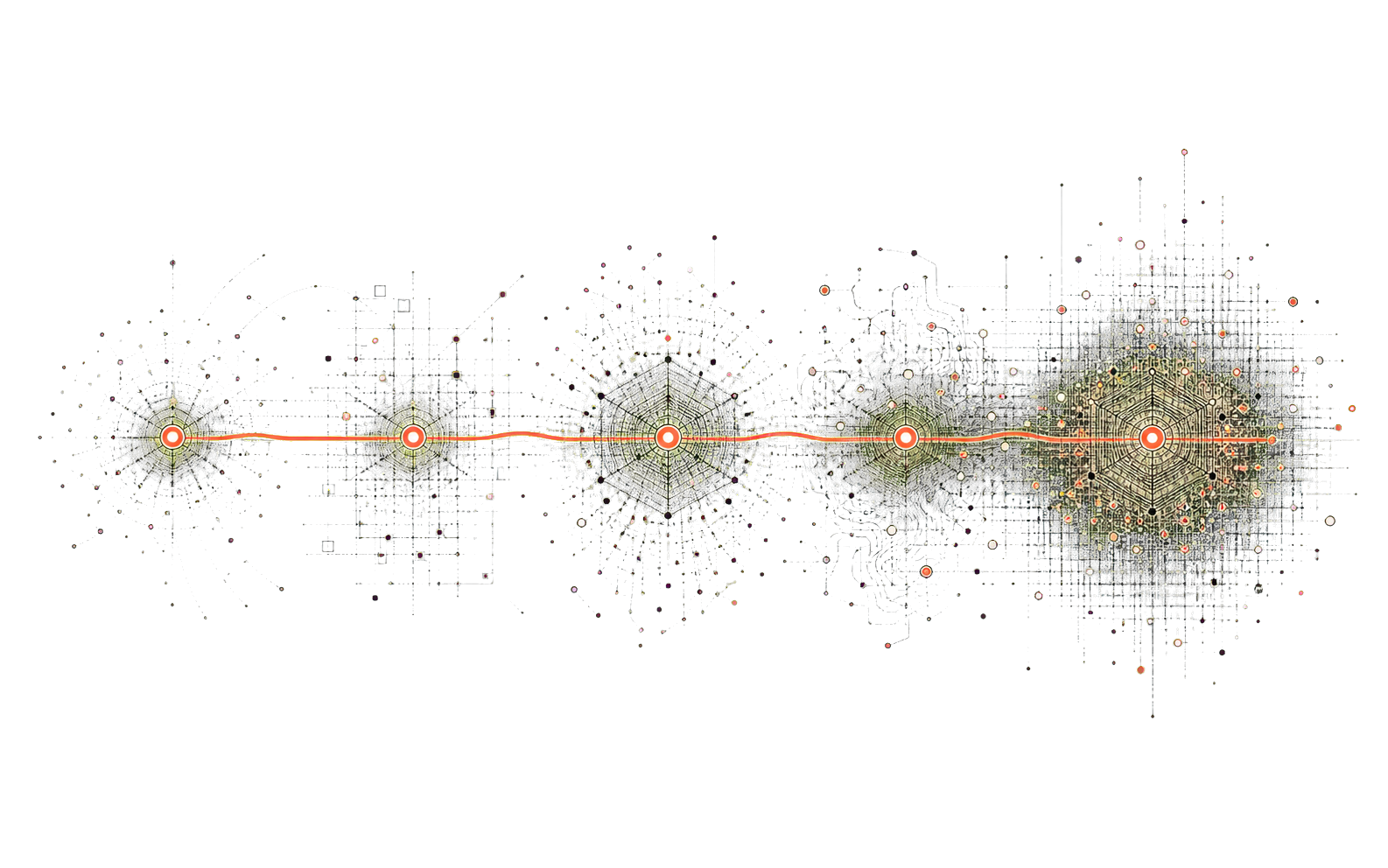
The problem is not a lack of records. It is the work required to recover what each record came to mean within the relationship.
A duplicate charge is reported.
Another team asks for the story again.
A refund is promised to the customer.
The commitment expires unresolved.
The system opens a new ticket.
Recording each interaction is not the same as preserving the relationship between them.
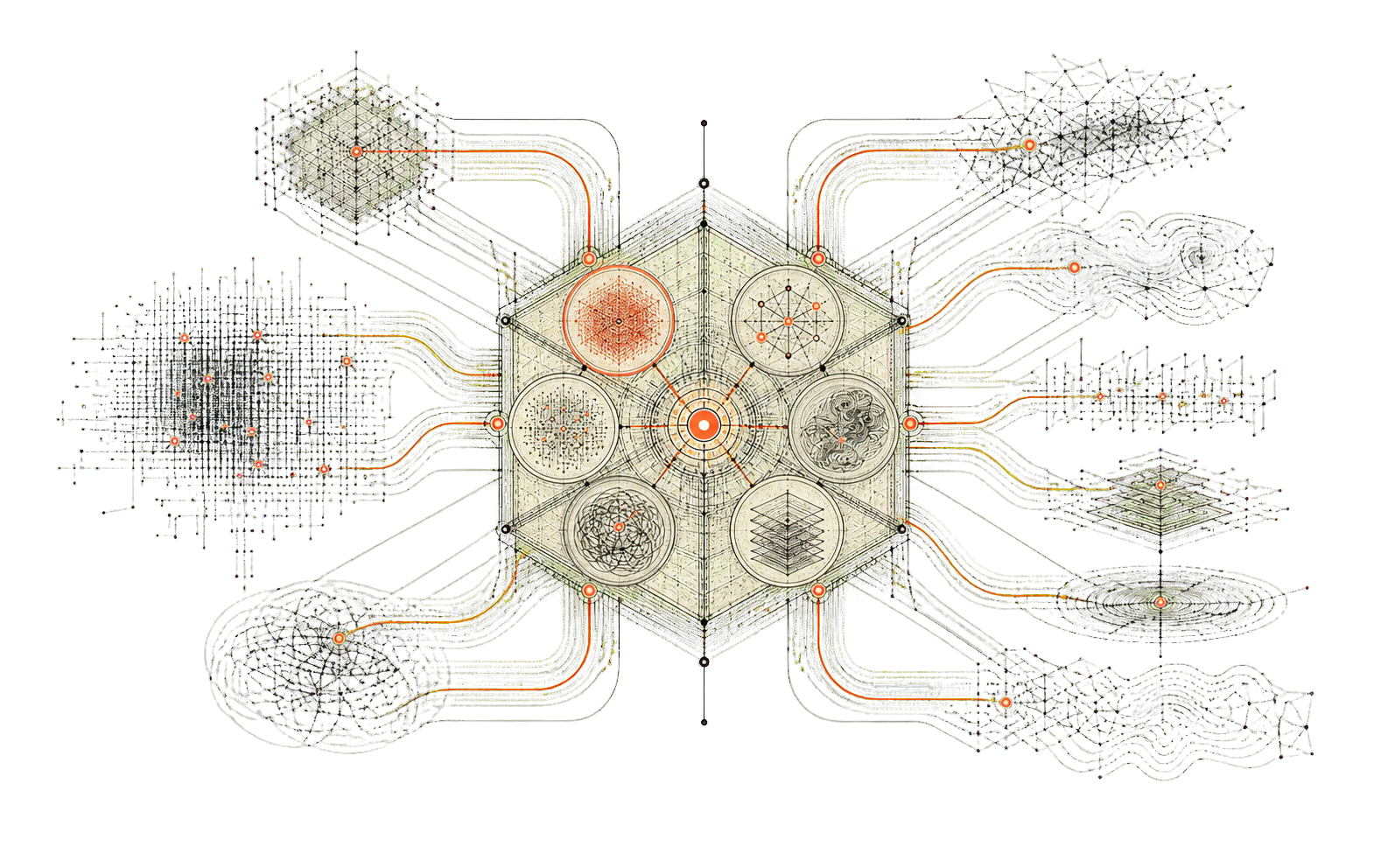
A Customer Operations Projection can bring together the current issue, what has been tried, commitments, changes, and the next step—while preserving a path to every source record.
Duplicate charge still unresolved.
Refund promised. Supervisor to respond.
Dispute opened. Receipt received. Two internal transfers.
Three contacts, one missed deadline, and information sent again.
A new charge was issued after the dispute.
Issue the refund and confirm it with the customer.
Every element can reveal: who said it → when → where → original source.
Profiles, activity, and segmentation still matter. Trailon addresses a different question: what happened in this relationship, and what still needs to continue?
Some understanding can already exist as persistent structure. The next task retrieves what matters at that moment so generative interpretation works with more focused context.
Less repeated reconstruction. More focused retrieval. More control over what reaches the model.
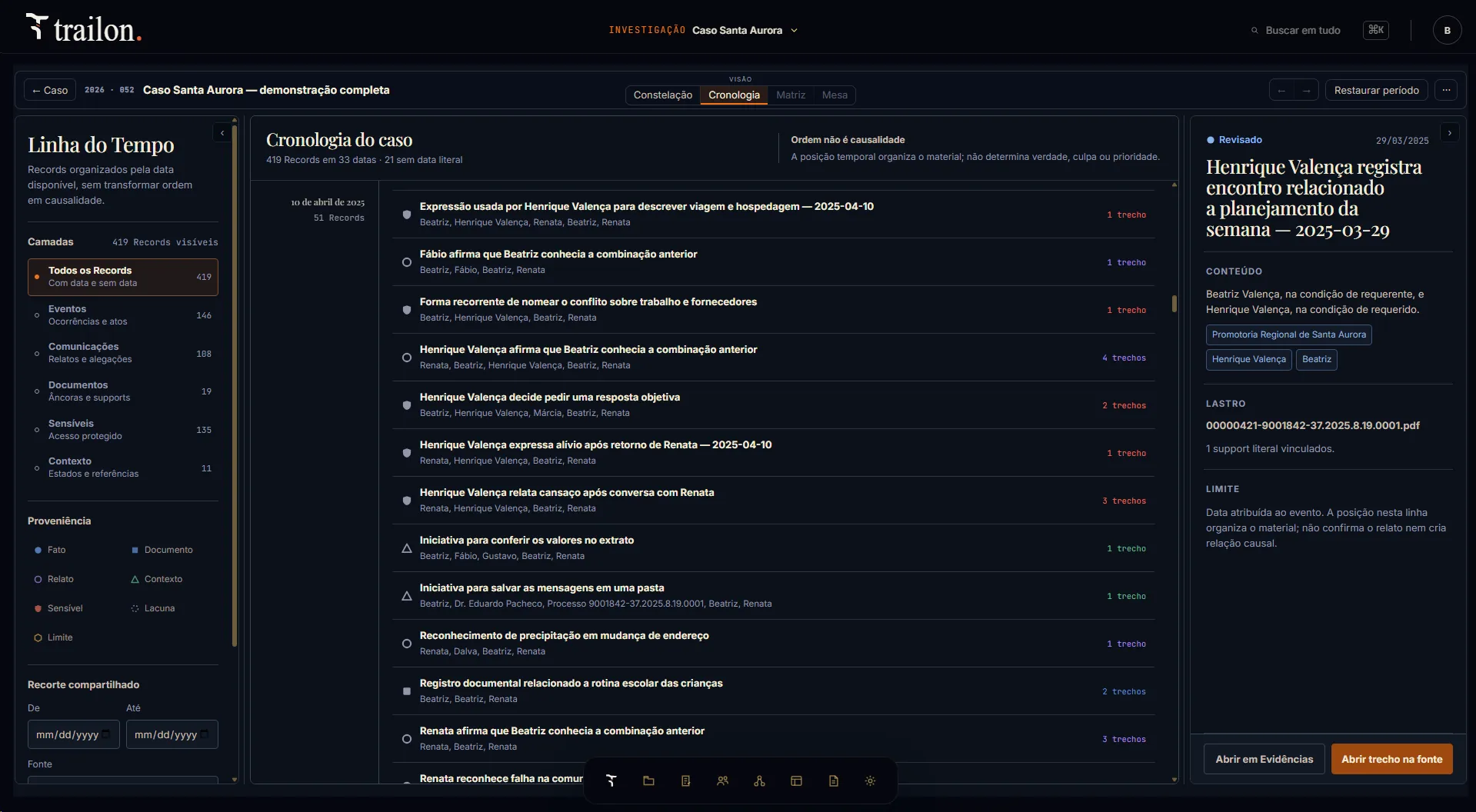
This screen shows the foundation for organizing situations: connected records, different perspectives, and navigation back to origin. A Customer Operations Projection is one application of that foundation.
Turnover, escalation, channel changes, and team changes should not force customers to carry the context an operation has lost.
CRM, contact center, ticketing, email, chat, ERP, and document repositories continue to do their jobs. Trailon can receive the necessary traces and preserve a contextual layer around the relationship.
Relevant history can arrive organized before the interaction.
The next interaction begins with what has already happened.
Both work from a shared understanding.
Promises and open items no longer disappear in old records.
Important information remains linked to its origin.
The relationship need not live in one employee’s head.
Give the person—or AI—serving them the context needed to continue the relationship from where it really stands.