


Understanding must not erase origin.
A situation gains structure. Relationships appear. Interpretations and hypotheses emerge. People make decisions.
None of this should make what was in the material indistinguishable from what was later understood from it.
Provenance preserves that difference.
Understanding adds meaning. It does not replace what supports it.
The source remains the source.
A document does not become its interpretation. A message does not become an event reconstructed from it. A structured claim does not thereby become fact; a persuasive inference does not thereby become evidence.
Trailon keeps original material as a reference independent of the readings built over it.
Origin does not disappearinside understanding.
Not everything we know occupies the same place.
Literal text is what the source says. An extracted proposition is linked to an excerpt. An attributed claim retains its speaker and context.
An inference is a derived reading, a hypothesis remains to be examined, and a human decision belongs to the person responsible for it.
These categories can relate.None automatically promotes another.
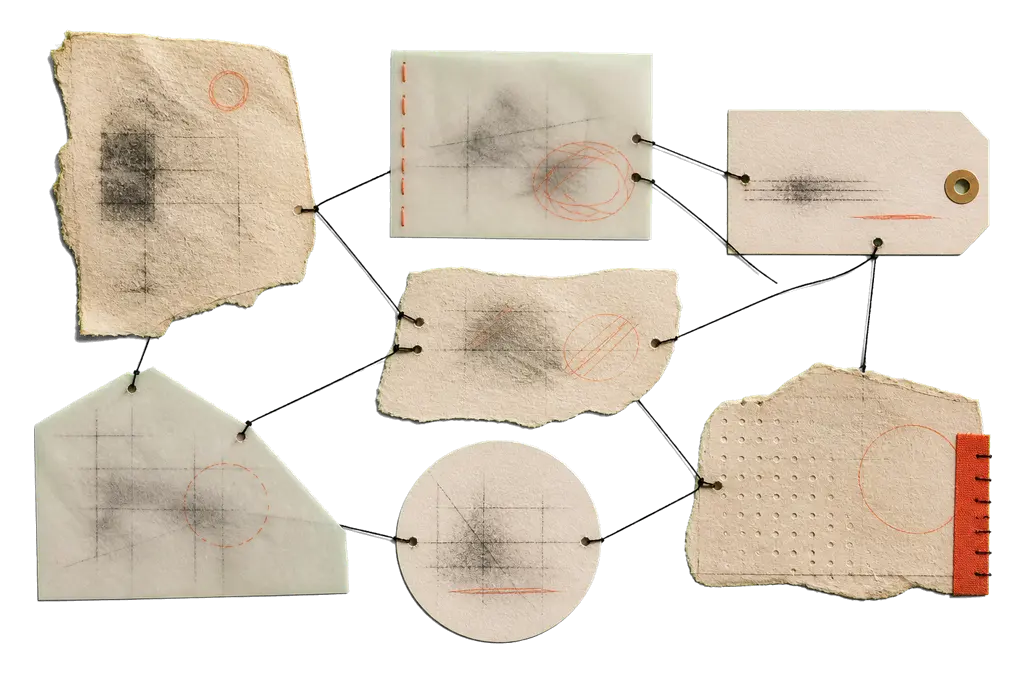
The supporting path is part of the structure.
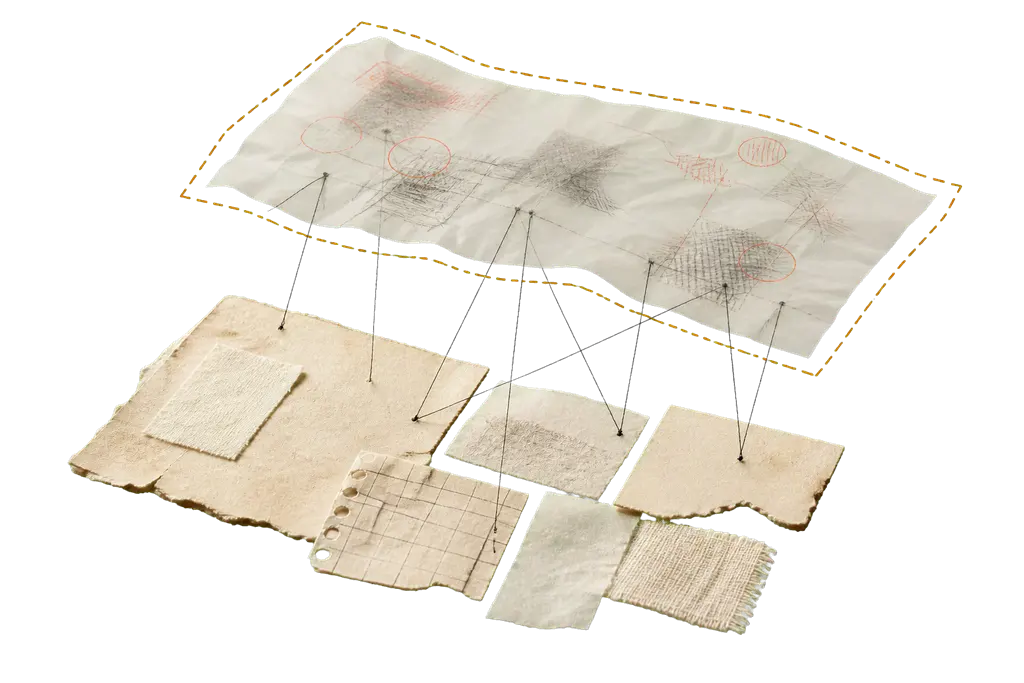
A structured proposition remains linked to its excerpt; an interpretation can return to the records on which it rests.
A dossier claim can lead to records, then to literal evidence, then to the original source.
- Interpretation
- Record
- Evidence
- Source
From reading back to origin.No invisible leaps.
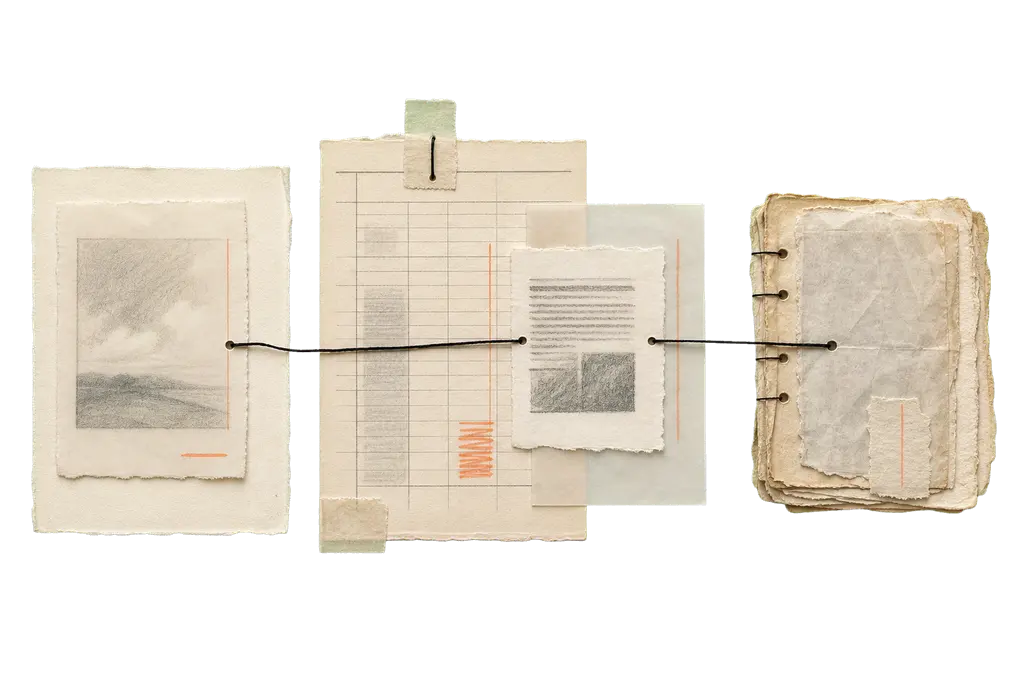
A claim must retain who made it.
Two people can describe one event incompatibly. Documents, messages, and witnesses may preserve different accounts.
Provenance keeps each account linked to its own origin without prematurely merging disagreement into a single story.
Recording an account is not adopting it as truth.Attribution comes before conclusion.
Disagreement is information too.
A complex situation need not become coherent to be represented. Sources, dates, and interpretations can conflict.
Trailon keeps contradiction, uncertainty, and gaps visible as analysis evolves, even when new evidence weakens an earlier reading.
The system need not erase inconsistency.It may be precisely what needs investigation.
Inference remains inference.
Interpreting relationships aids understanding; presenting them as observation undermines it. Sequence can suggest a link, records can support a hypothesis, and several elements can make an explanation more plausible.
None automatically changes the nature of what was originally in the sources. Trailon preserves the distance between evidence and reading.
The more sophisticated the interpretation,the more important the path back.
Revision does not mean overwriting.
A reading can be corrected, a hypothesis rejected, or a classification changed when new evidence arrives.
Correction, rejection, a request for evidence, and a return to the source need not erase the original material or the earlier analytical path.
Correcting a reading need not rewrite its source.Evolution and traceability can coexist.
Humans enter where judgment is required.
Structure can be built and interpretations proposed, but some points require someone to confirm, correct, reject, reclassify, seek more evidence, or assume a decision.
Human review keeps responsibility where computational confidence must not substitute for judgment.
Automation organizes analysis.Responsibility still has an author.
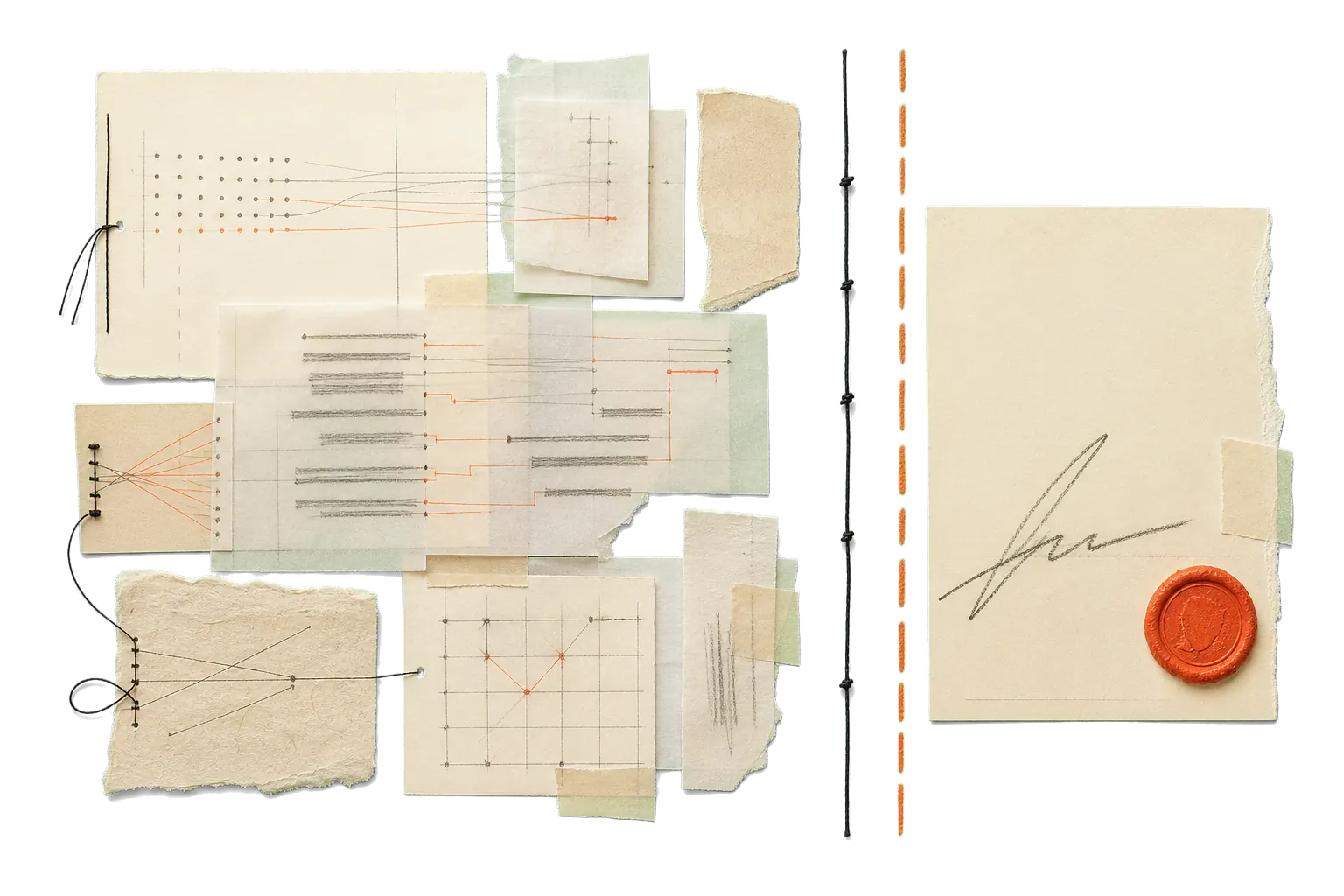
Understanding can change without losing its genealogy.
A situation is more than the current analytical state; it also has a history of how it came to be understood.
What was recorded, structured, attributed, inferred, hypothesized, revised, and decided can remain distinguishable as understanding advances.
The source remains. Interpretation evolves.The path between them stays reviewable.
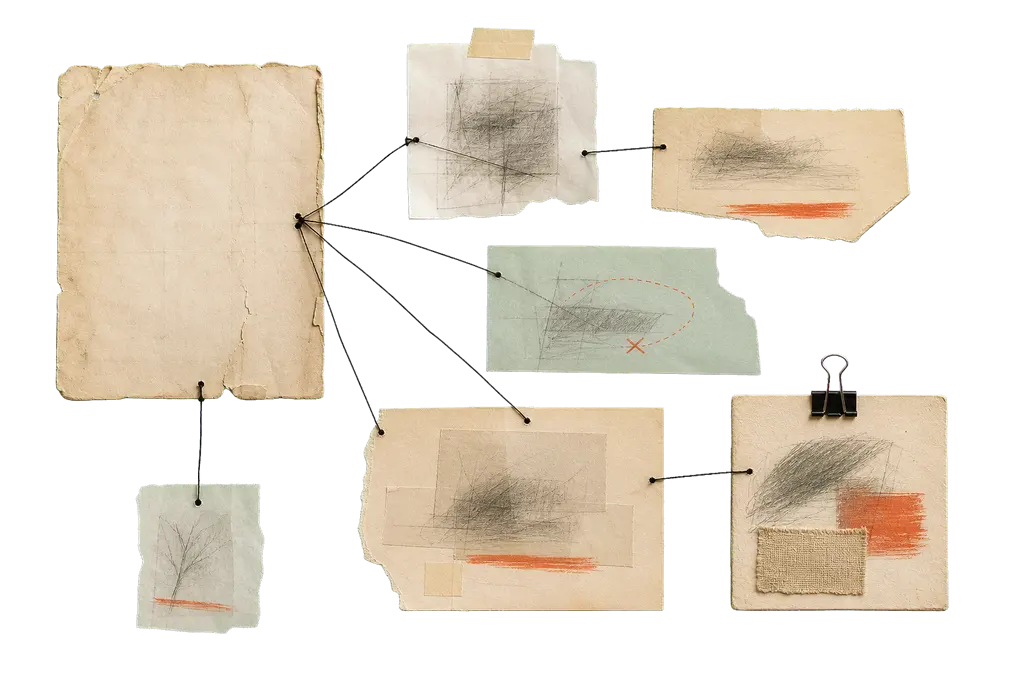
From understanding back to evidence.
Context Reconstruction builds the structure; the Constellation projects paths through it; Provenance qualifies what we find and preserves its origin.
A different question remains: does this architecture make a measurable difference in understanding complex situations?