


Intelligence begins before an answer exists.
A complex situation does not arrive in a structured form.
It is scattered across sources, people, moments, accounts, references, and events that are rarely produced to be understood together.
Trailon’s Context Reconstruction architecture is designed to rebuild that continuity.
Dedicated layers turn fragmented material into persistent contextual structure before different forms of intelligence interpret it.
Interpretation starts once the terrain begins to take shape.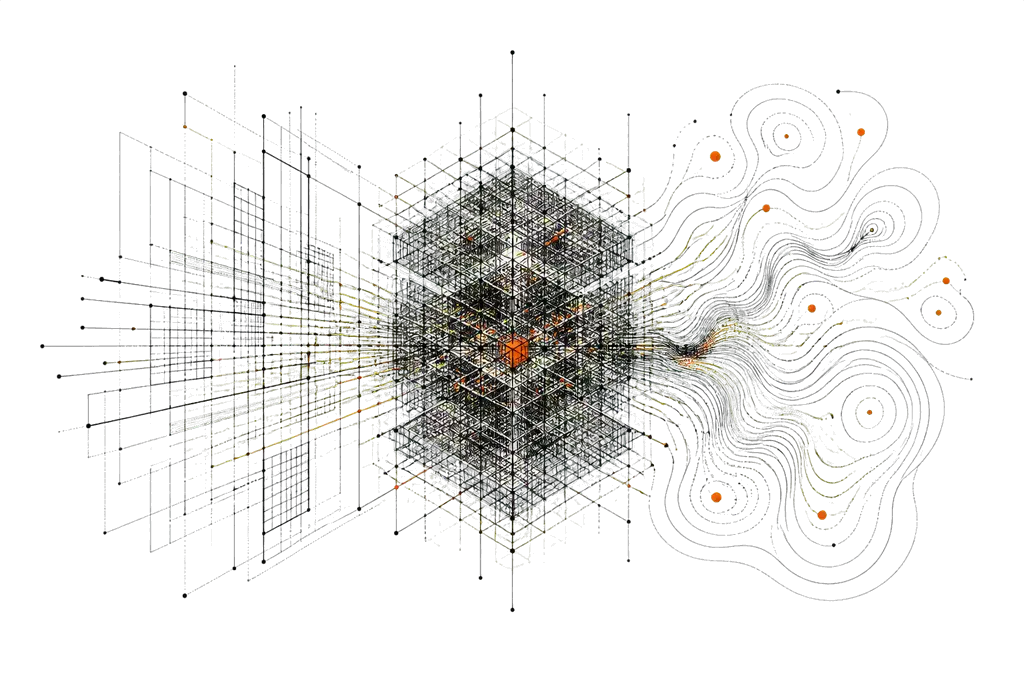
Reality does not follow the boundaries of files.
Files end, conversations pause, documents change version, and proceedings move forward. People refer to what happened without repeating the whole history. The context continues.
A statement may need to be compared with an account from months earlier. A payment first marked pending may reappear in a message, a receipt, an authorization, and a later transaction.
Context is what remains connectedeven when information is no longer together.
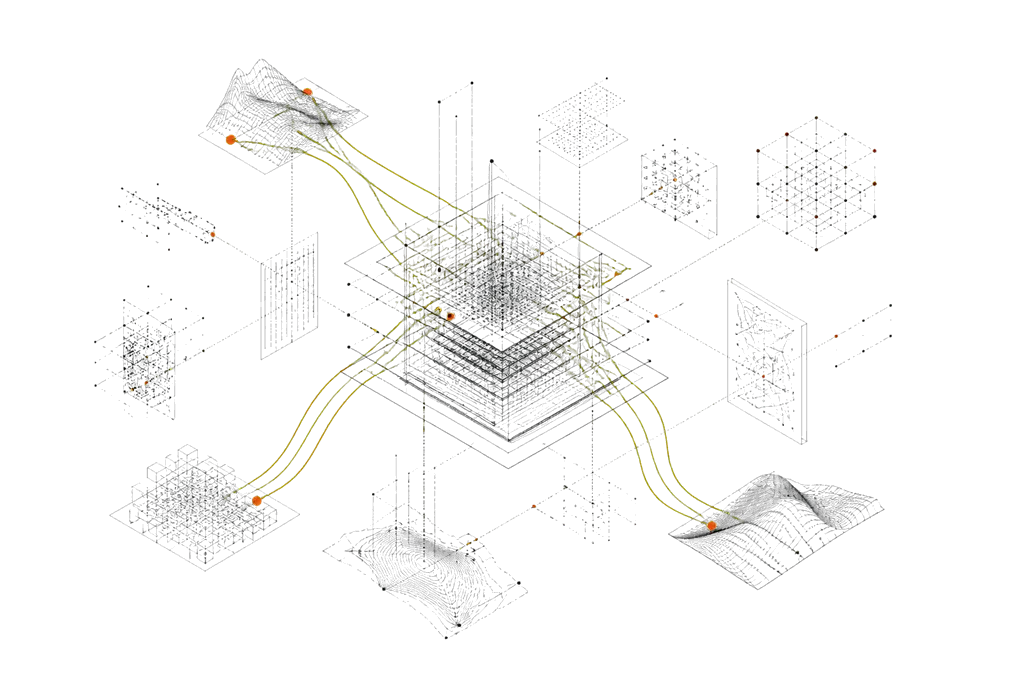
Reconstructing is different from retrieving.
Retrieval starts with a known need: a question or criterion guides the search for a likely answer.
Reconstruction starts earlier. It preserves elements and continuities whose importance may not yet be apparent, because the question that makes them decisive may arise later.
Retrieval answers what we already seek.Reconstruction preserves what we may still need to understand.
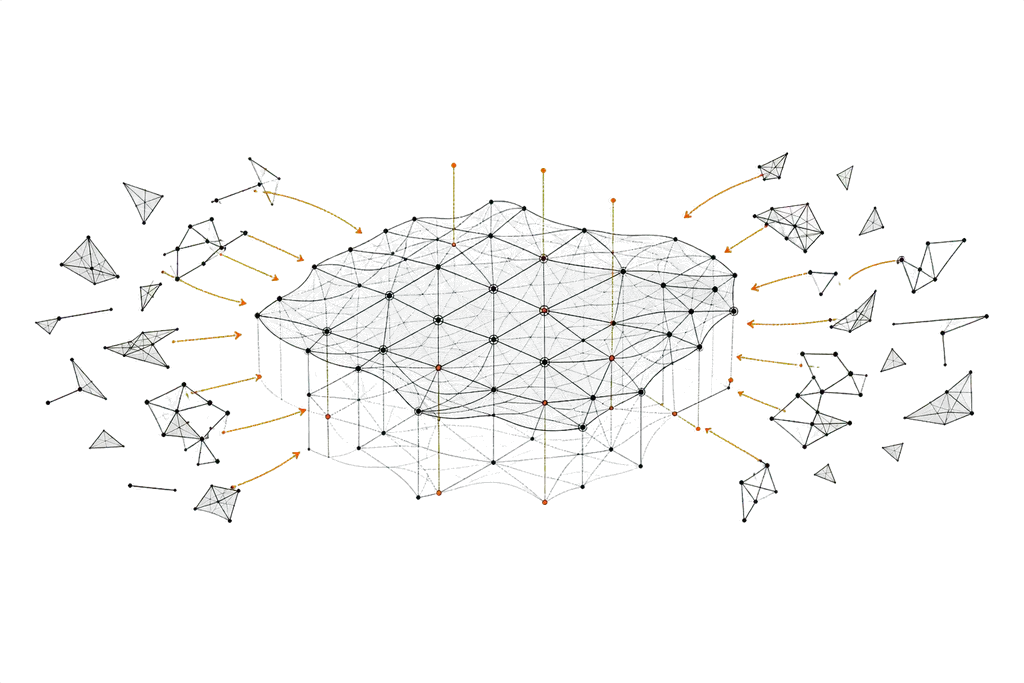
Continuity is not contiguity.
Two items produced in the same minute may belong to different contexts. Two items months apart may be part of the same situation. Time matters, but it does not define context by itself.
Trailon reconstructs continuity so technical processing does not arbitrarily determine where a situation begins or ends.
- A statement reconnects with what challenges it.
- An appeal reconnects with the decision it contests.
- A charge reconnects with what settles—or contradicts—it.
- A promise reconnects with evidence of whether it was fulfilled.
- A follow-up reconnects with the conversation that seemed finished.
Computational boundaries need not becomeboundaries of understanding.
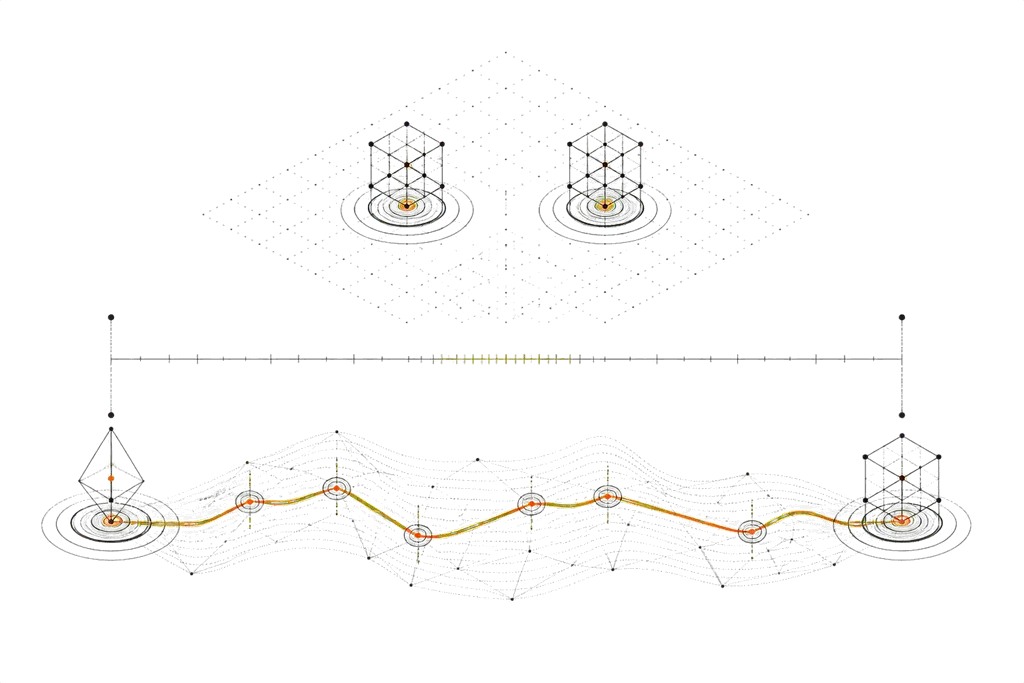
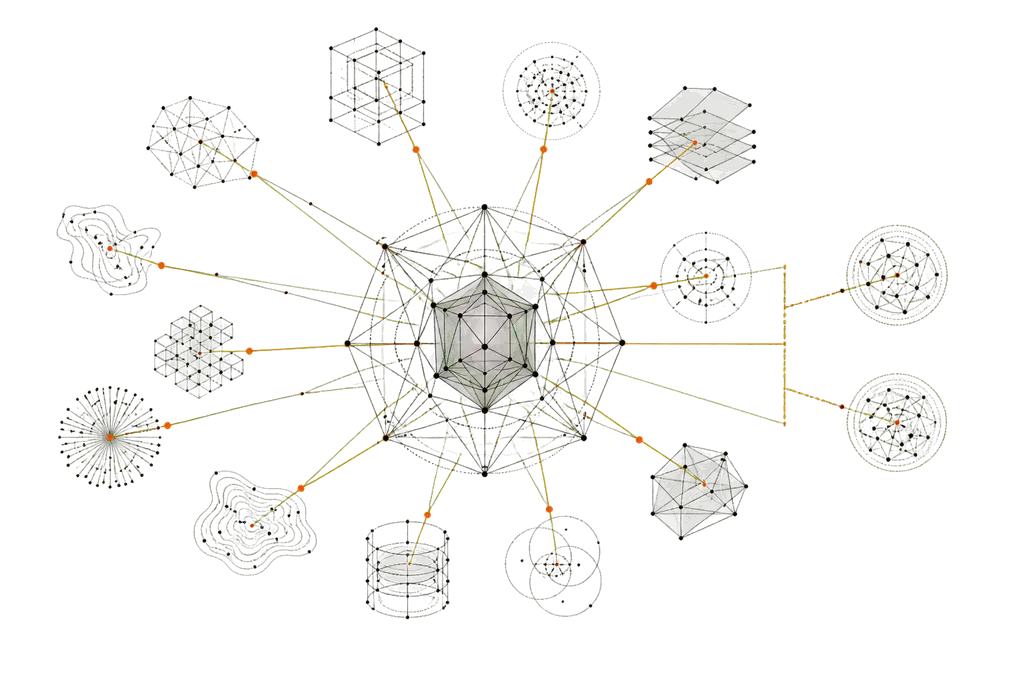
Identity must survive the way it was written.
A person may appear by full name, first name, nickname, role, relationship, or indirect reference. Conversely, two occurrences of the same name do not necessarily mean the same person.
When the material does not support a reliable resolution, ambiguity remains visible. Resolved identities are maintained as part of the situation’s structure rather than rediscovered as words on every reading.
A mention belongs to the material.An identity belongs to the situation.
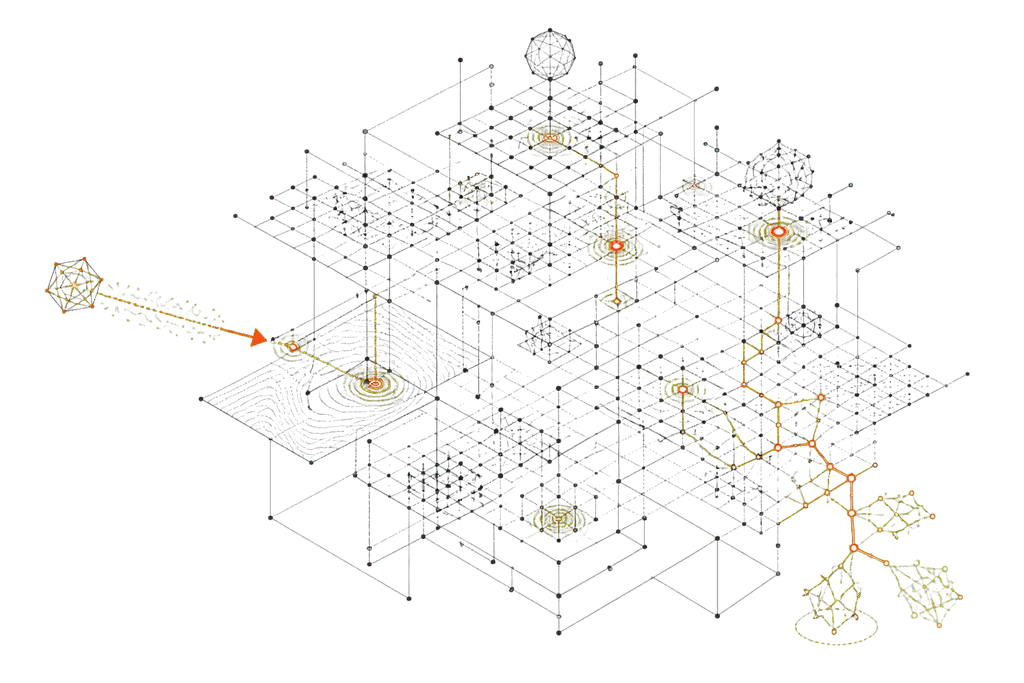
A new source does not enter an empty space.
The value of new material lies not only in what it contains, but also in what it changes in an existing situation.
It may extend a context, challenge an earlier account, reopen a question, fill a gap, change a relationship, or alter the reading of a known event.
- Extend an existing context.
- Challenge an earlier account.
- Reopen a question.
- Fill a gap.
- Change a relationship.
- Reinterpret a known event.
New material need not meanstarting again.
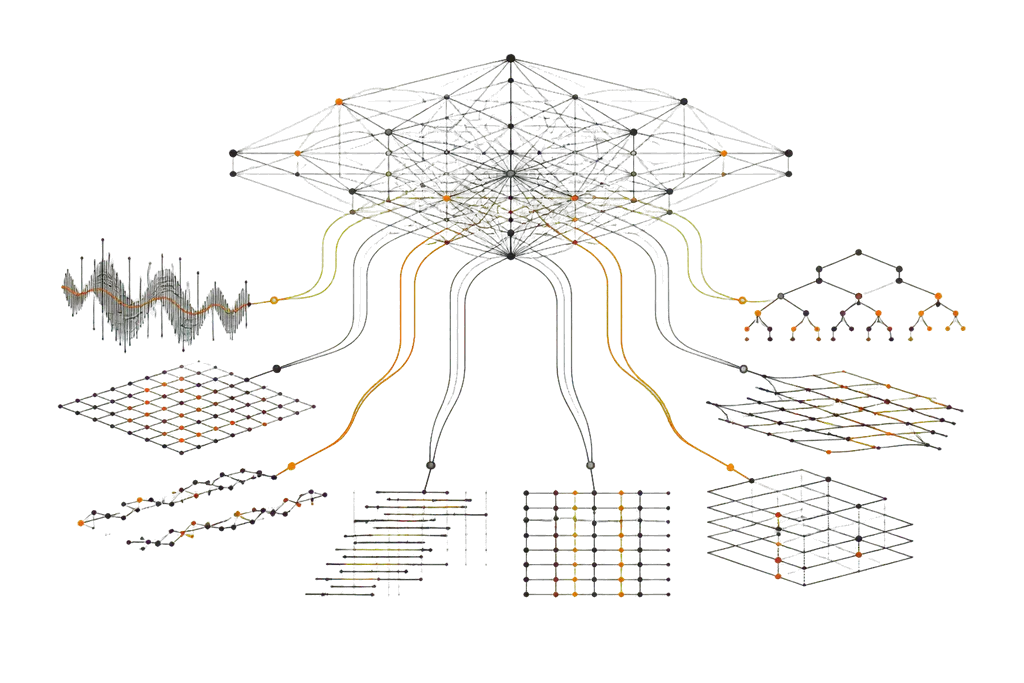
Context crosses sources.
WhatsApp, email, documents, audio, statements, contracts, decisions, and spreadsheets each record a perspective. No single source needs to contain the whole situation.
Context Reconstruction establishes a layer above those divisions so elements of the same context can remain related regardless of where they were recorded.
A source says where something was found.A situation says what it relates to.
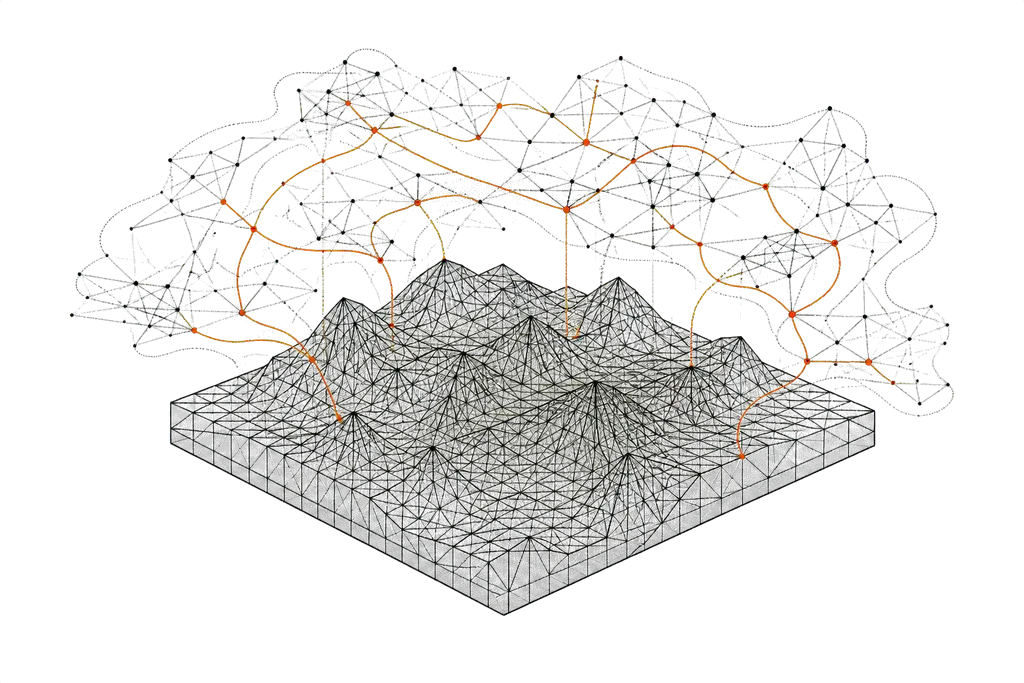
Structure before interpretation.
Generative models help with language, association, and reasoning, but they need not begin with wholly unstructured material.
Trailon builds context so generative intelligence can work over a situation with continuity, identity, and memory of its own. Bruce interprets and explores a structure that does not depend on it to start existing.
Generative intelligence interprets the terrain.It need not invent it for every question.
A situation can keep being reconstructed.
Context Reconstruction is not a frozen picture of the first reading. New sources arrive, identities become clearer, accounts conflict, and earlier readings are revised.
The structure evolves without reducing accumulated knowledge to isolated answers. Each new question, source, model, or person can build on what already exists.
Reconstruction does not freeze an interpretation.It preserves enough structure for understanding to evolve.
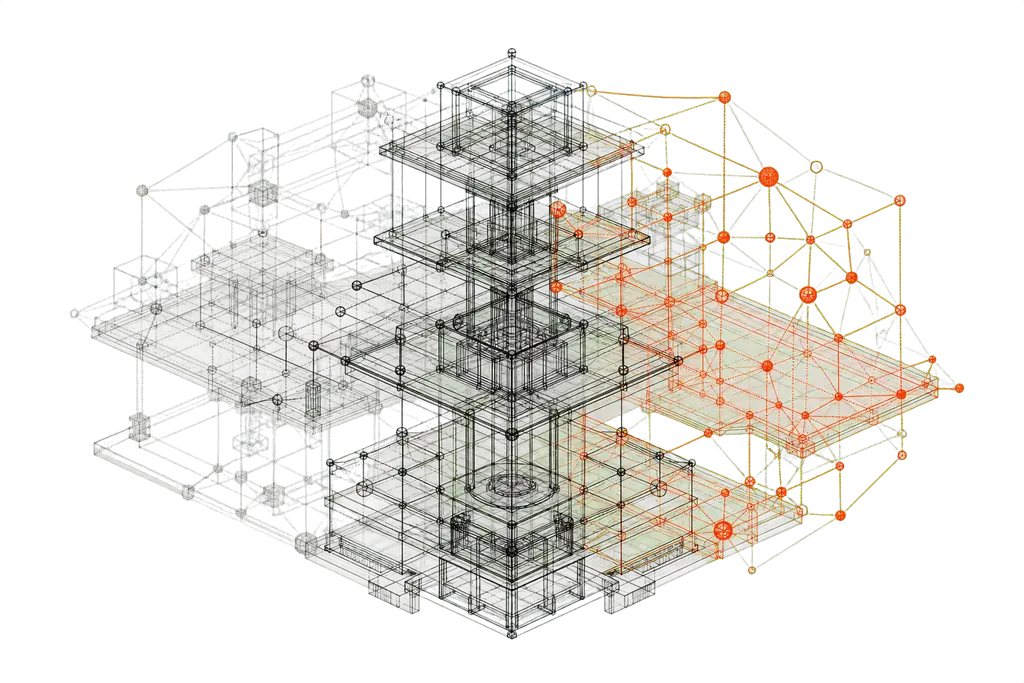
What emerges can be projected in many forms.
Context Reconstruction is not an interface. It is a foundation for exploring timelines, sources, actors, events, relationships, questions, and the Constellation.
Each offers a different projection of the same reconstructed situation.