

builds
Structure before interpretation.Context Reconstruction
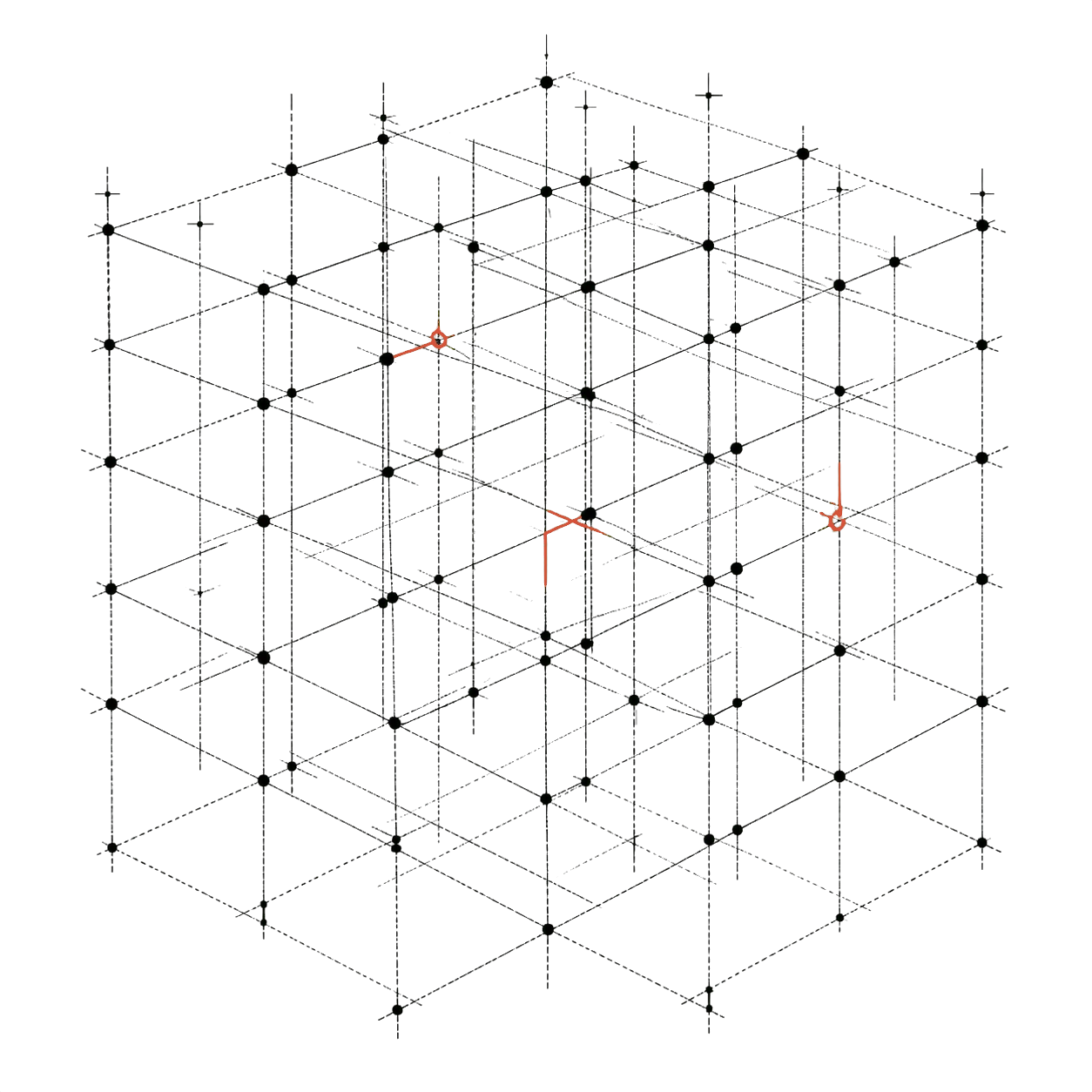
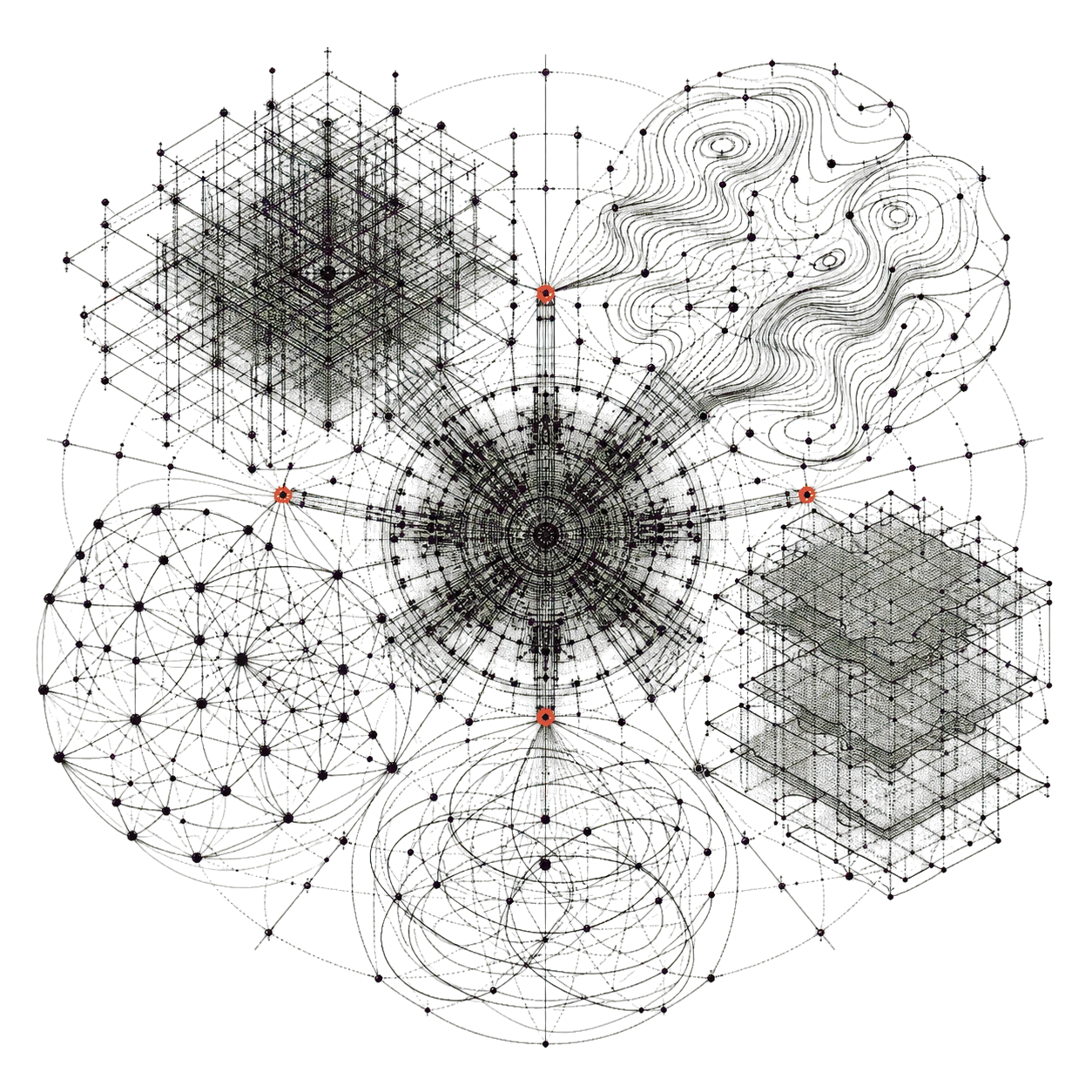
Trailon layers reconstruct continuity, identity, and context across material, providing ground on which other forms of intelligence can operate.
Explore Context ReconstructionTrailon combines different forms of intelligence to reconstruct, interpret, and preserve complex situations.
Structural layers operate before any answer. Models interpret language, associations, and meaning. The architecture keeps what has been understood available for further exploration.
The result is not a sequence of independent answers.
It is an architecture for understanding.Reconstruct. Interpret. Preserve.
Documents, messages, audio, testimony, decisions, and events arrive as fragments.
The situation between them is not fragmented.
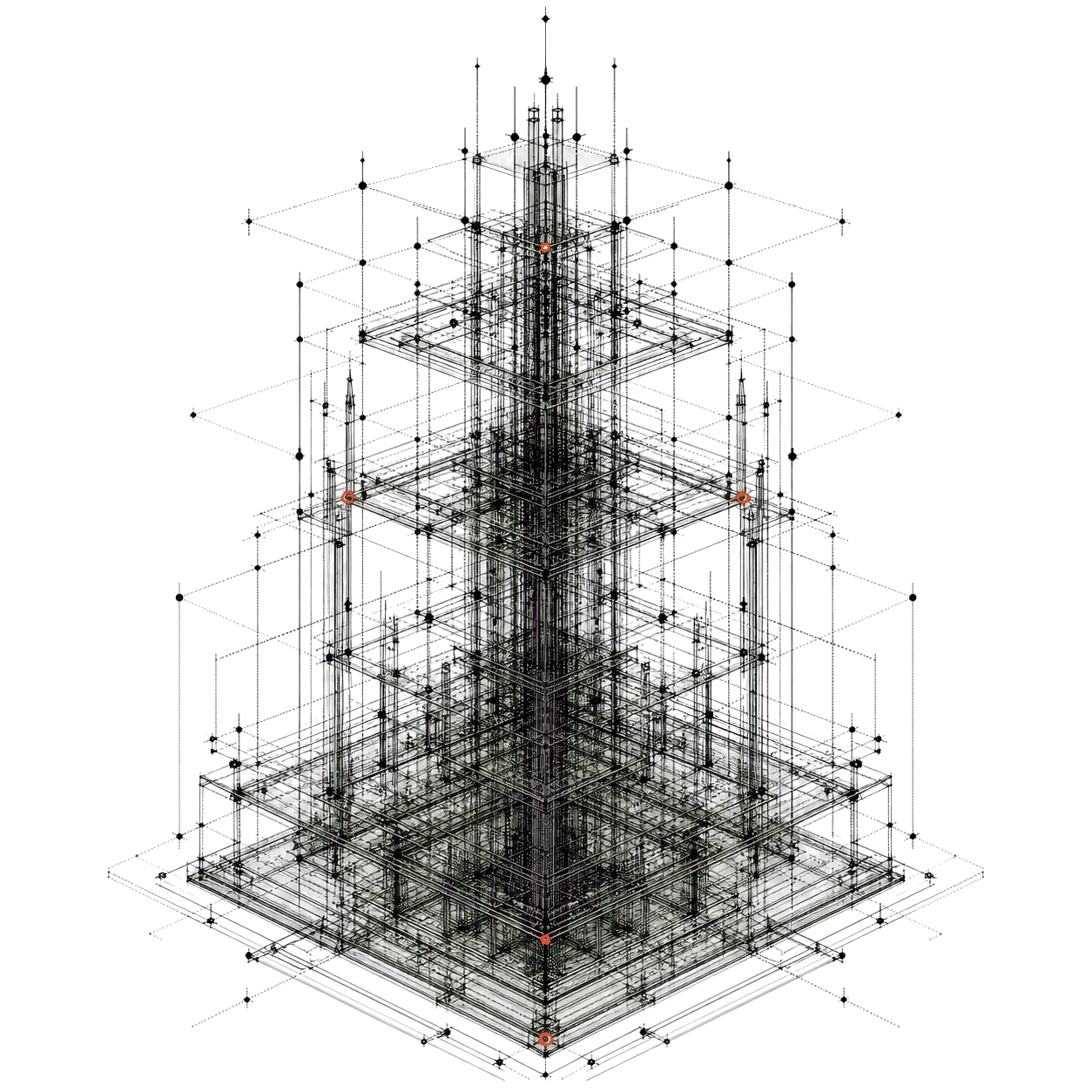
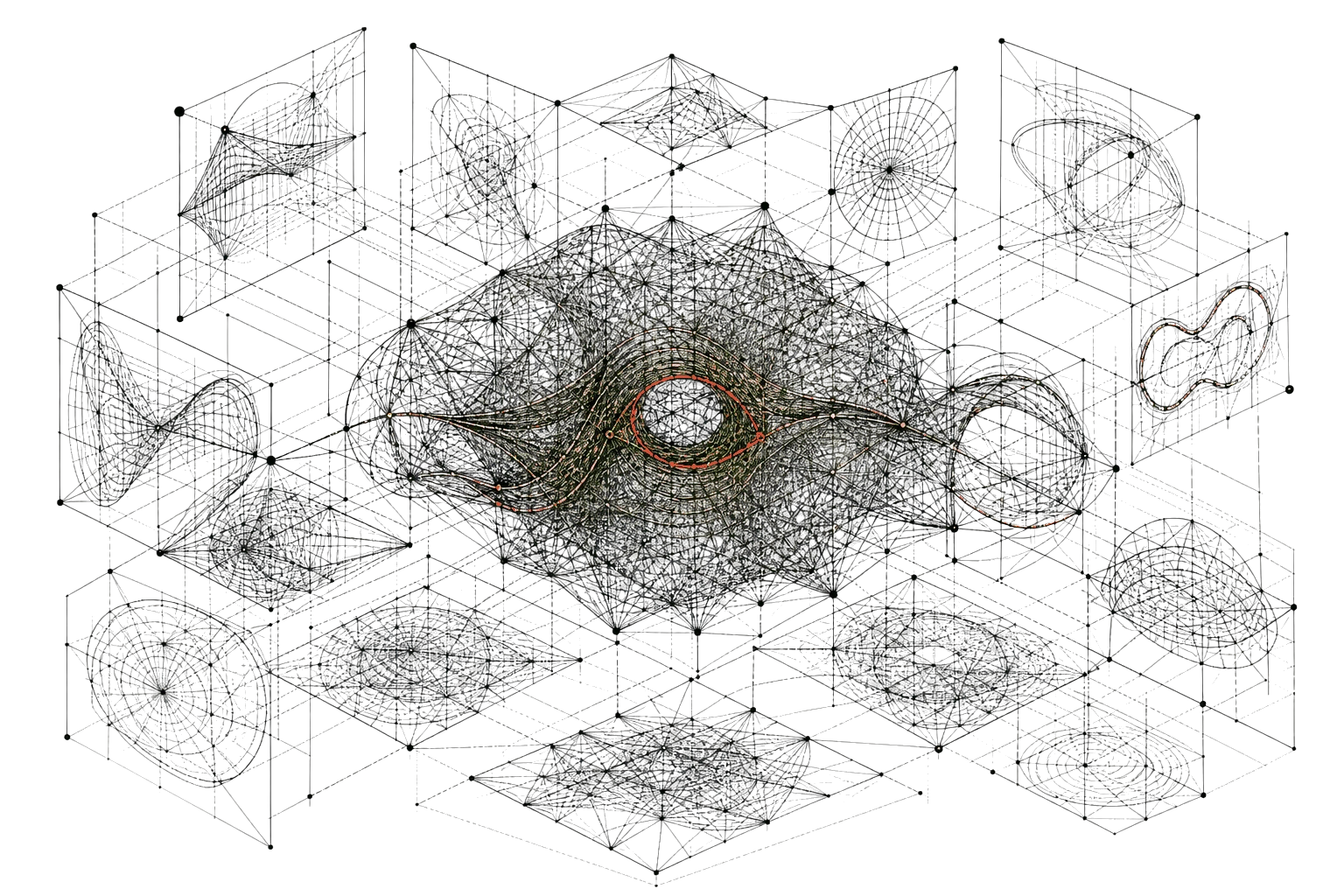
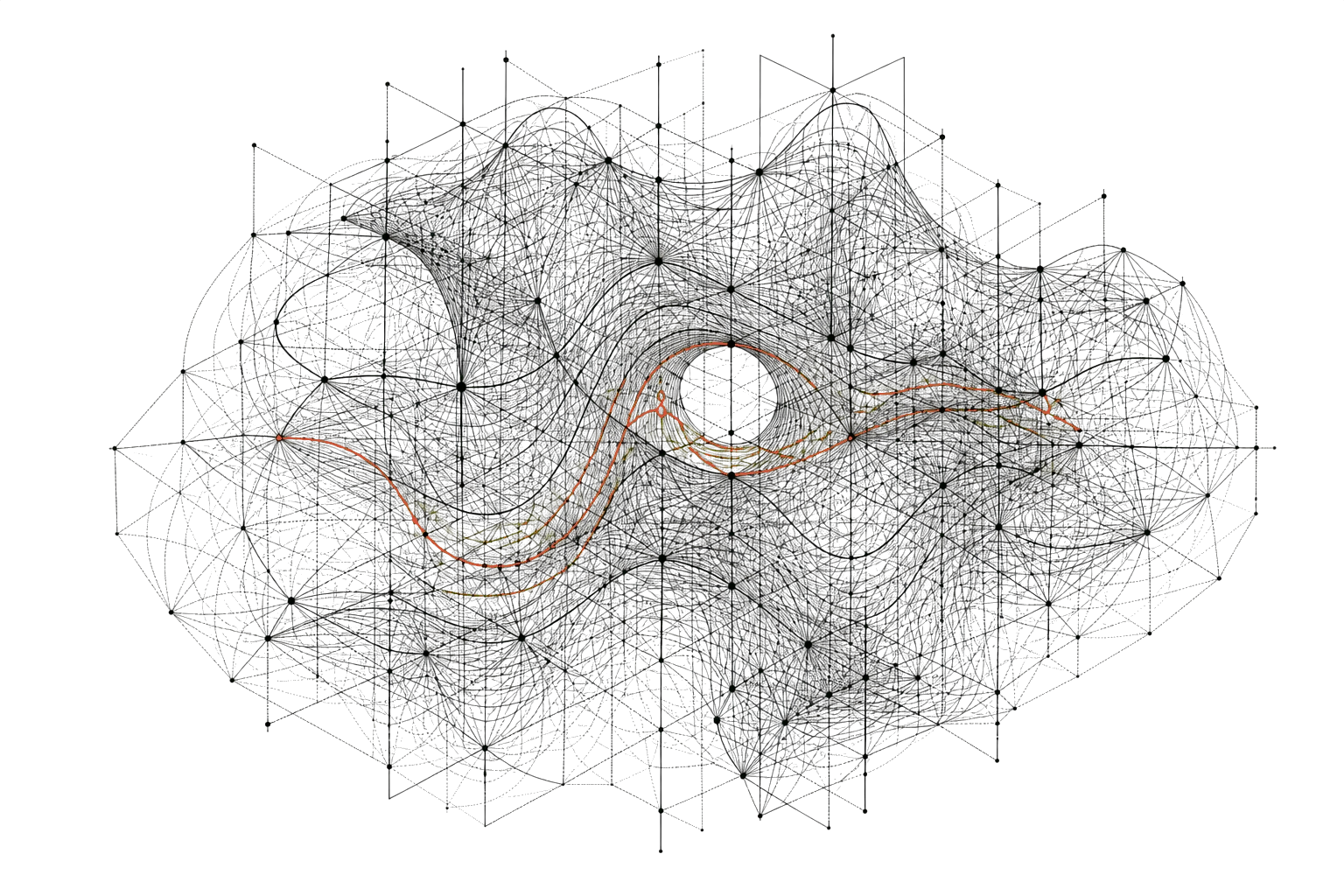
Trailon organizes this complexity as a persistent structure that can support different readings without rebuilding the same world for every interaction.
Not every task requires generation.
Continuity should not always depend on a model’s memory.
Not every relationship needs to be inferred again.
Not every ambiguity can be resolved structurally.
Trailon distributes intelligence across the architecture according to the nature of the problem.
Generative models participate where language and reasoning add value.
They do not need to bear the responsibility for sustaining all understanding alone.
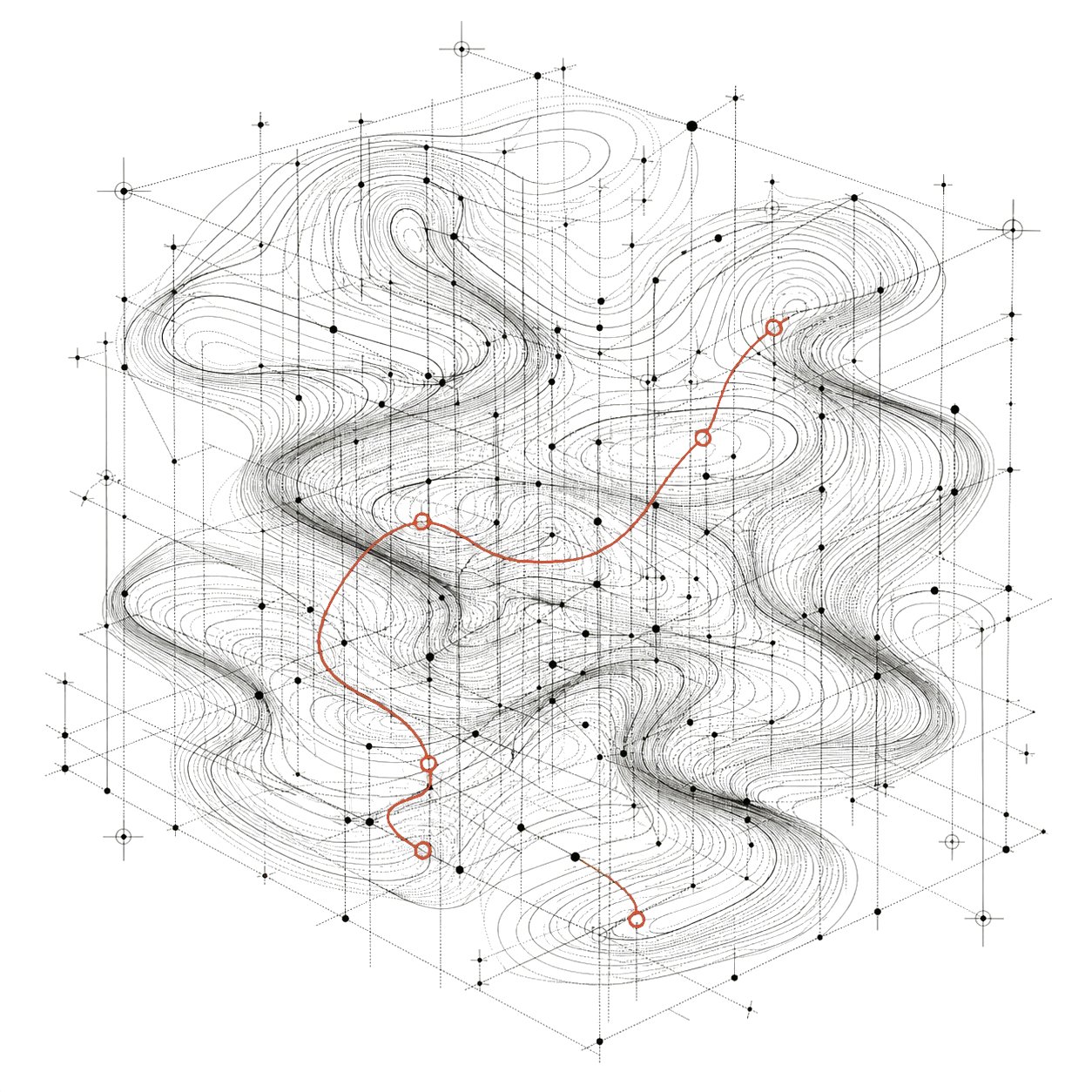
An answer shows only one possible path through a situation.
Another question may begin with a person.
Another with an event.
Another with a decision.
Another with a piece of evidence.
Yet another may yield a different interpretation of the same material.
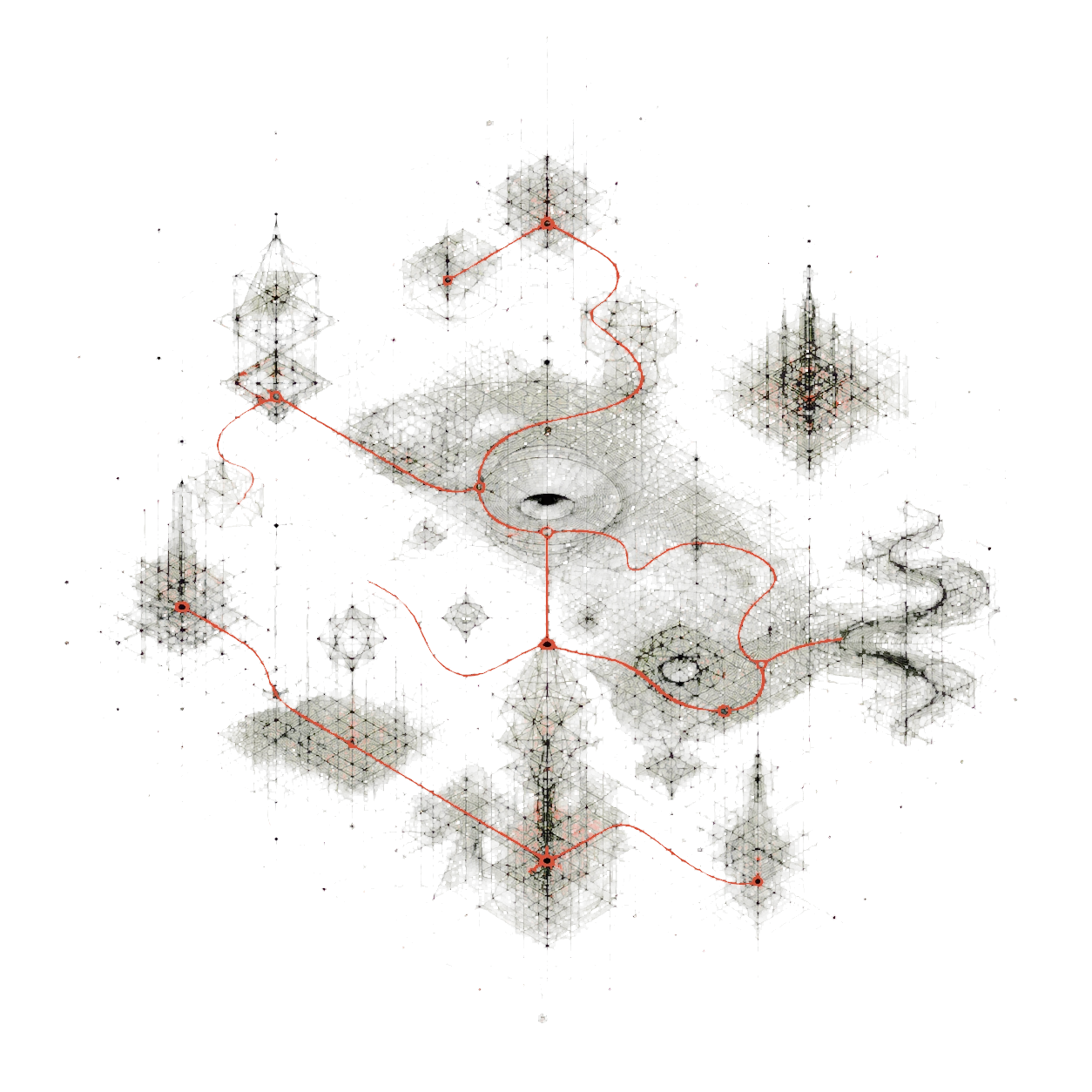
Trailon maintains the underlying structure so these readings can coexist without turning every new question into a new beginning.
New sources can expand, challenge, or revise earlier readings without starting the situation over.
Models change.
Providers change.
Capabilities evolve.
A complex situation may remain relevant for months or years.
That is why Trailon separates the intelligence that interprets from the structure that sustains understanding.
An interpretation produced today may be reconsidered tomorrow. Another model, a human review, or new evidence can change a reading without reconstructing the situation from the beginning.
Trailon does not concentrate understanding in a single interface, model, or mechanism.
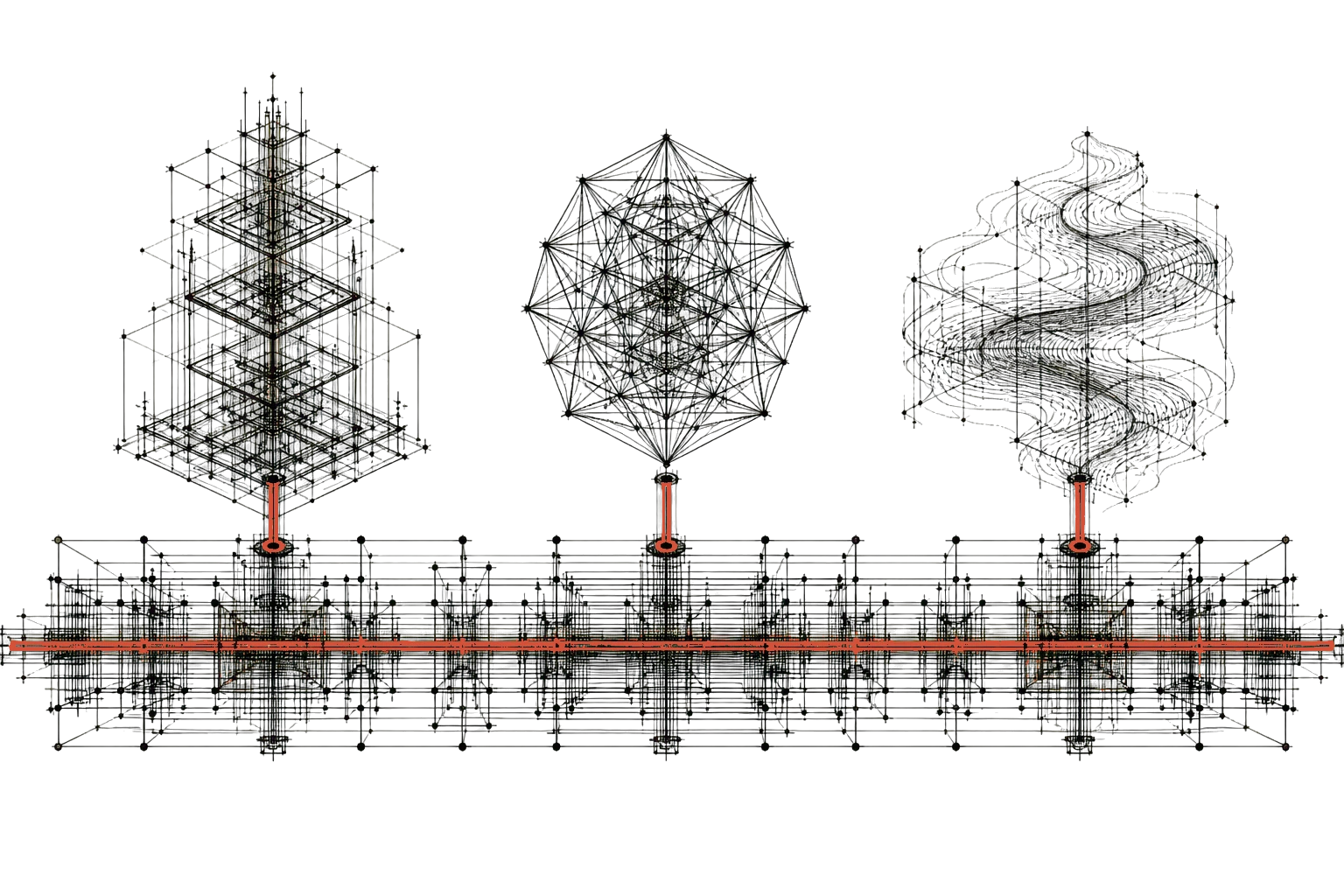
Structural reconstruction, interpretation, memory, provenance, and navigation operate as parts of one architecture.
Each addresses a different dimension of the problem.
Together, they keep a situation available to be understood, questioned, reviewed, and continued.
Trailon layers reconstruct continuity, identity, and context across material, providing ground on which other forms of intelligence can operate.
Explore Context ReconstructionAs complexity grows, finding information is no longer enough.
We need to preserve context, sustain different readings, incorporate change, and keep completed work available over time.
Trailon turns intelligence into infrastructure for understanding.