


“Here are the files and history.”
- folders and links
- summaries by topic
- latest status updates
- handover meeting
An account changes teams. A project gets new leadership. A vendor takes over. The folder arrives intact—and understanding starts almost from zero.
Trailon preserves state, history, relationships, commitments, and provenance so the next person can continue where the situation actually stands.
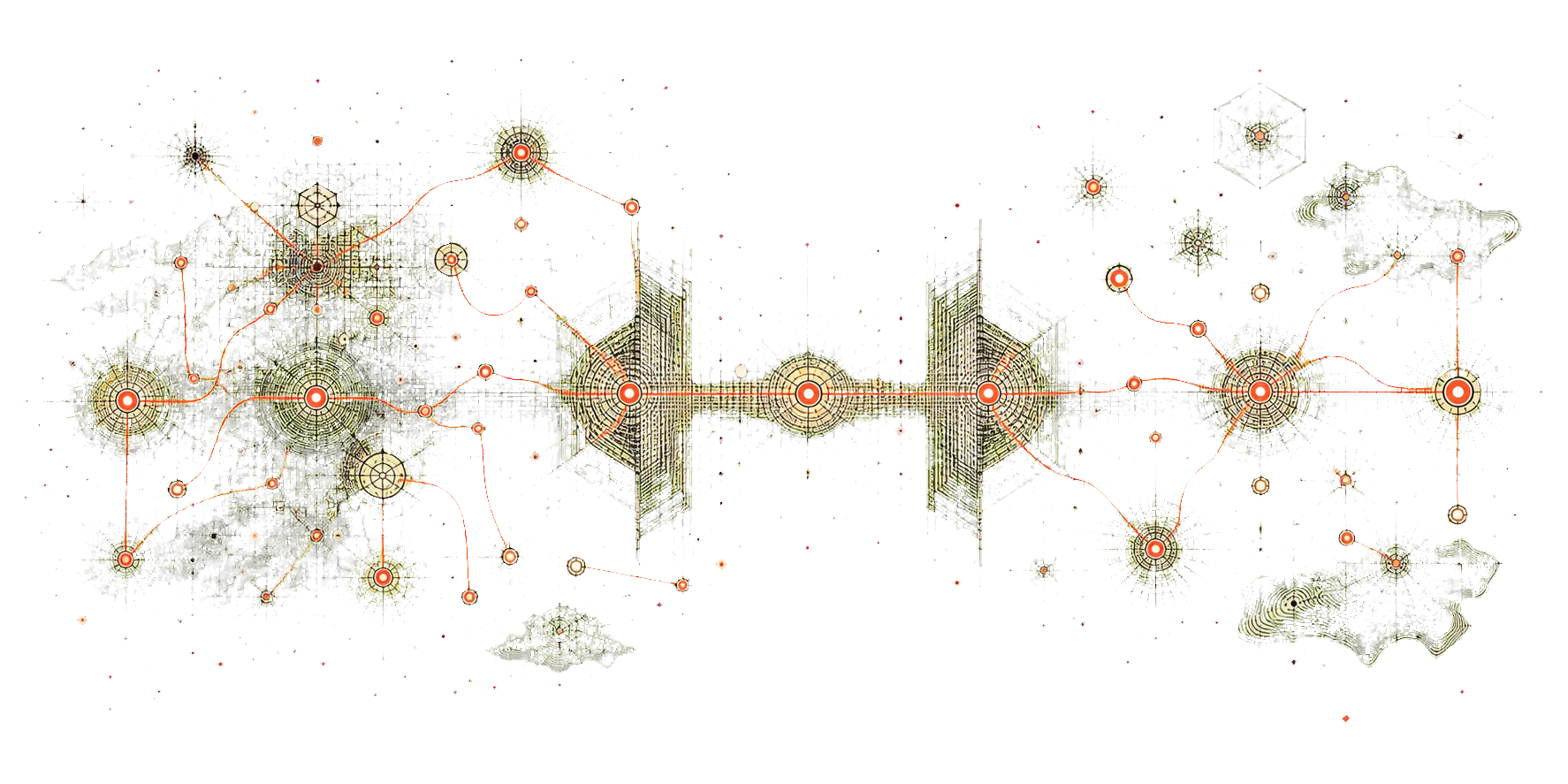
Histories, minutes, and messages preserve records. They rarely preserve the structure explaining why a record matters now.
History records what happened. Context shows where to continue.
The next person receives a navigable reading of what exists, what remains open, and why each element came to matter.
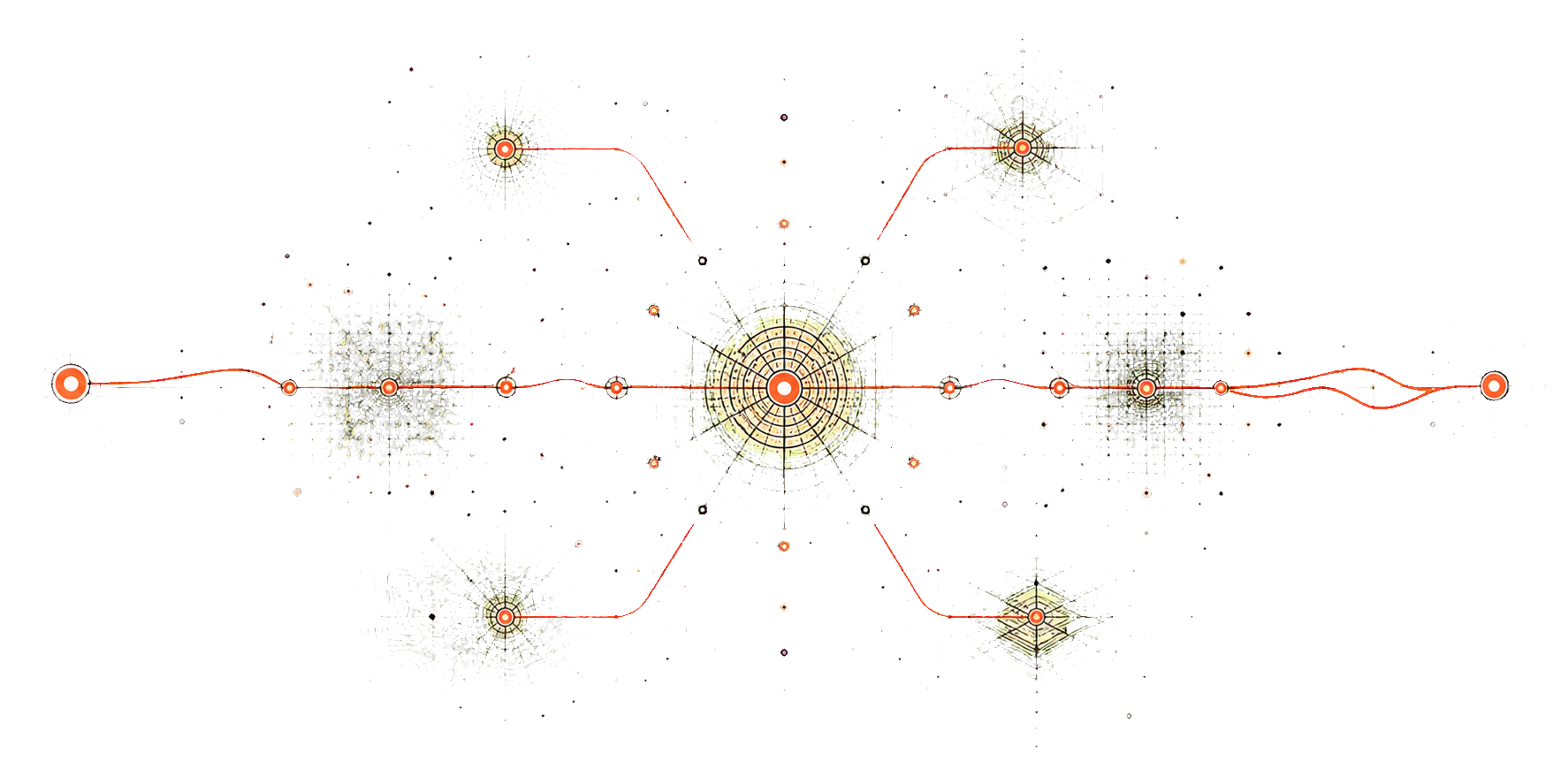
Where the situation actually stands when responsibility changes.
What happened, changed, or failed up to that point.
Promises, decisions, and next steps still open.
Why certain paths were chosen or abandoned.
Who participated and which dependencies need to remain visible.
Where each piece of information can be verified at its source.
A summary inevitably selects. Persistent structure lets someone change the question, check what was left out, and return to the source.
They are not confined to the account chosen by the person who left.
Gaps and open items do not become certainties in the handover.
New sources meet the existing situation instead of starting another one.
The timeline keeps events, records, and sources in one field—so someone can start with the current state and trace the path backward.
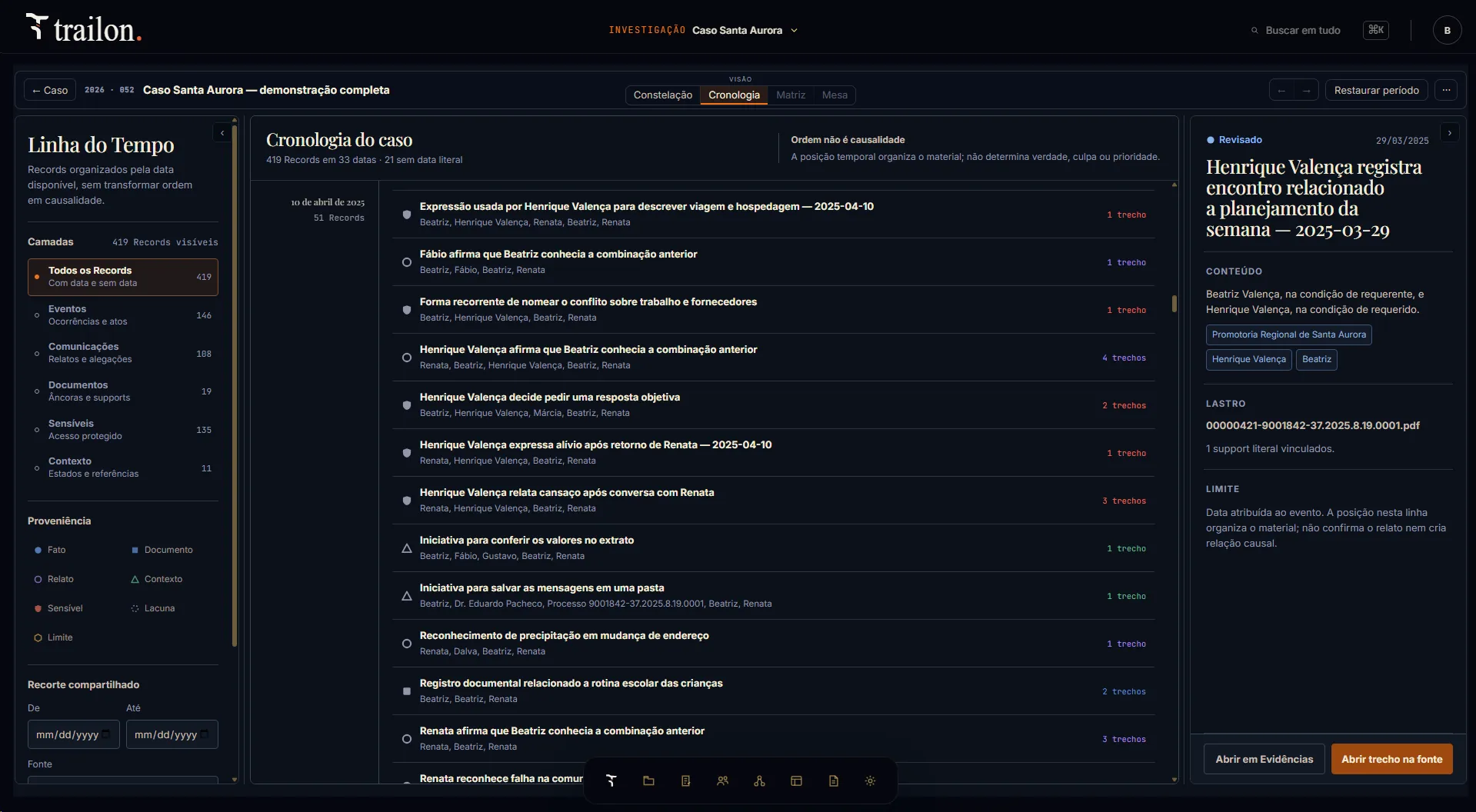
Trailon does not require all work to happen in one tool. It preserves context across the traces that already exist.
The transition starts from available structure, not a hurried presentation.
New owners understand the state and open items before reopening the whole history.
The situation does not live only in the head of the person who followed it.
Changing tools need not reset accumulated understanding.
Promises and decisions survive a change of owner.
The transferred reading remains tied to the sources supporting it.
Transfer a usable situation—not just records someone else must reconstruct.