


A technology thesis must be measurable.
Trailon was built around a hypothesis:
An architecture that reconstructs and preserves context may reduce the work needed to understand complex situations.
The benchmark program exists to test that hypothesis.
The four dimensions below define what needs measurement. A published protocol must state its corpus, conditions, formulas, criteria, and limitations before reporting results.
Architecture is a proposal. Performance requires evidence.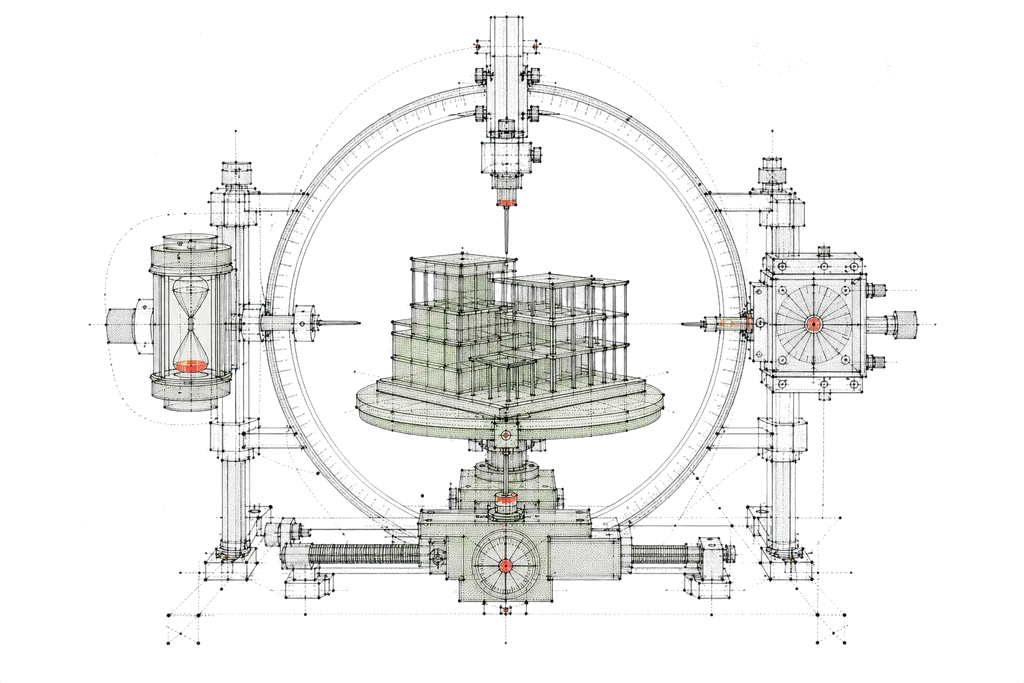
The unit of measurement is not the answer.
An answer may be fast or even correct while the work of understanding has only begun.
Claims still need checking, evidence locating, accounts comparing, gaps identifying, new material incorporating, and the situation explaining to someone else. The benchmark therefore measures the analytical journey, not only an isolated output.
The goal is not merely a faster answer.It is less work to reach usable understanding.
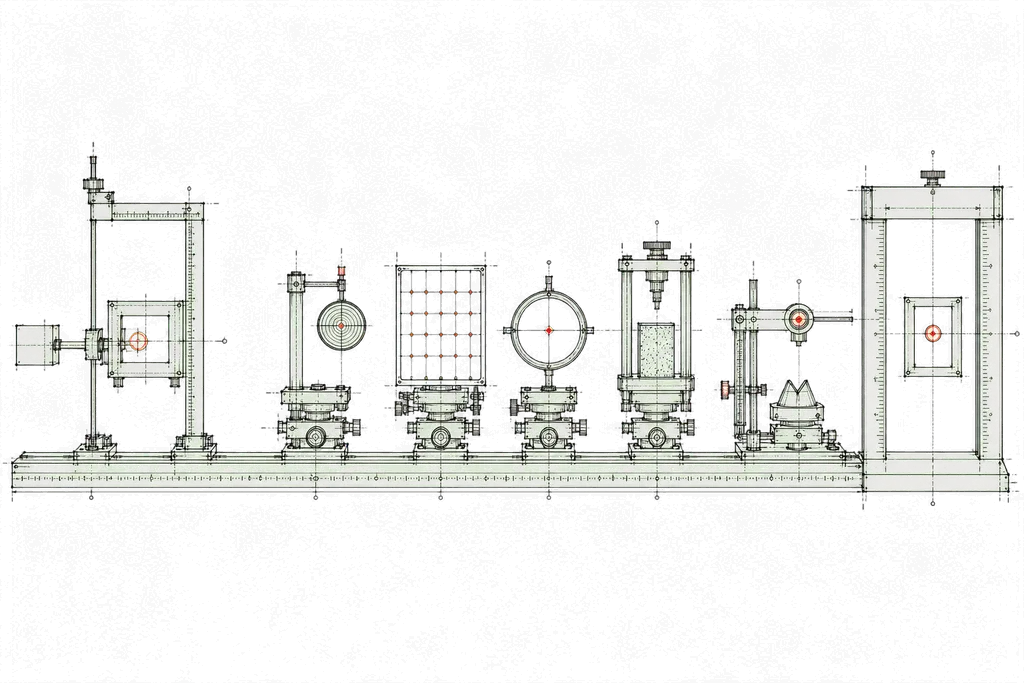
How long from raw material to usable understanding?
Generation speed measures only part of the task. Time to Understanding measures how long it takes to reach a structured understanding that can be checked, explained, and used.
Each test must define observable criteria in advance: completed tasks, minimum quality, available support, identified limits, and the ability to explain the result. The clock ends when those criteria are met, not when someone simply says they understand.
Seconds to generate are notseconds to understand.
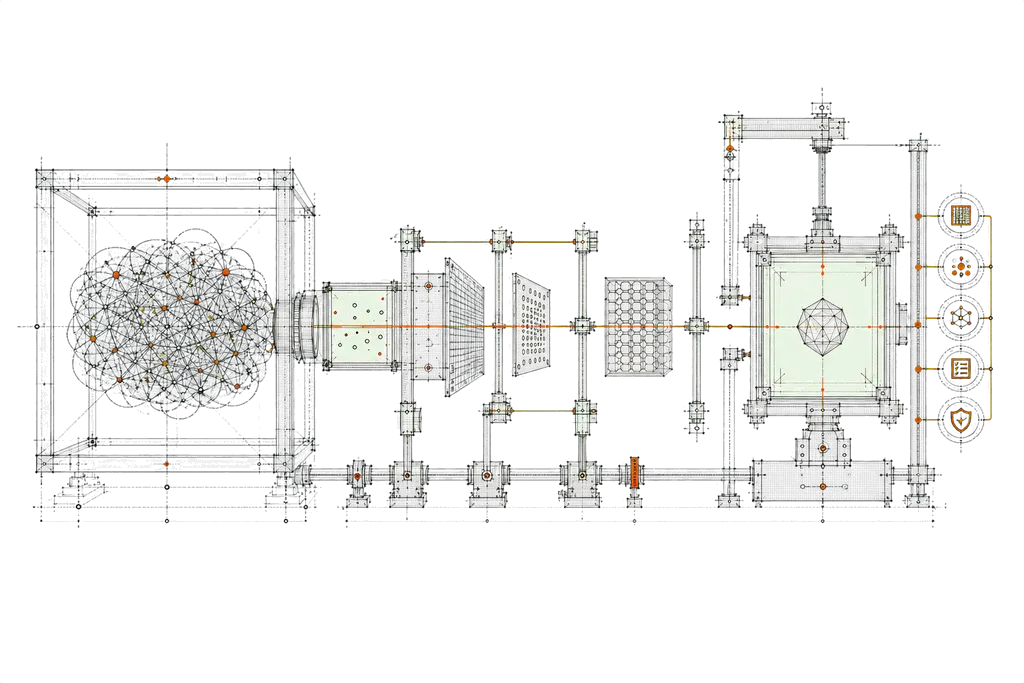
How much relevant structure remains available for analysis?
An analysis can answer the stated question correctly yet fail to represent important parts of the corpus: actors, events, relationships, continuities, disagreements, cross-references, or evidence.
Structural coverage examines how much relevant structure, defined against a reviewed reference, remains represented and available. It also accounts for omissions that may matter only when later questions arise.
Answering what is known is one capability.Preserving what may matter later is another.
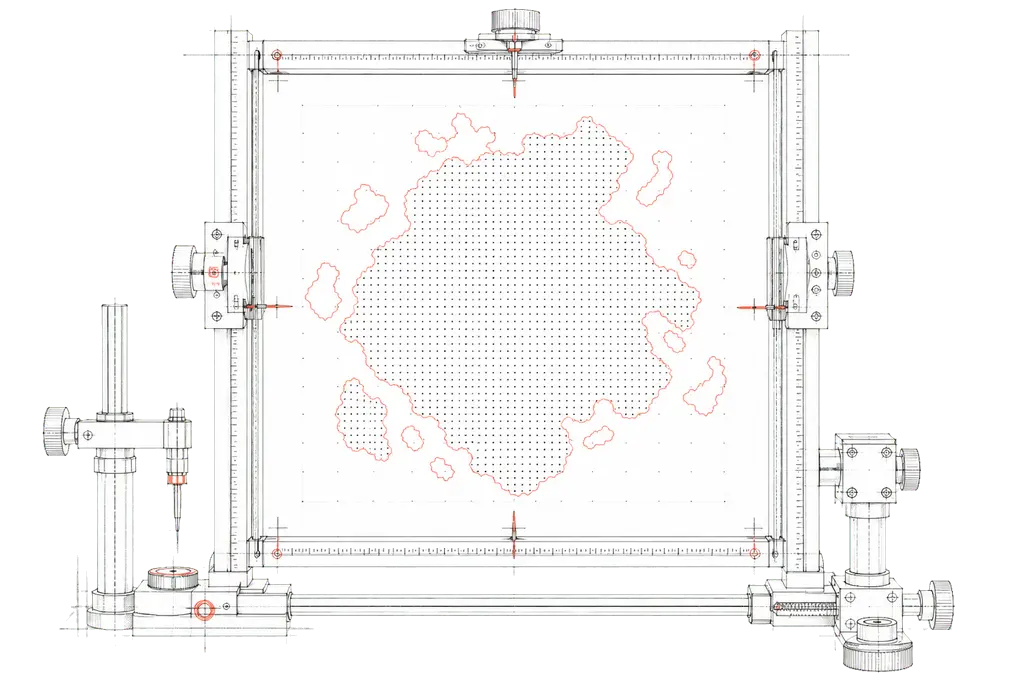
How much does performance depend on the person conducting the analysis?
The same corpus, task, and resources can yield different results across operator profiles.
Operator dependence observes this variation while holding those conditions constant and declaring experience profiles in advance. It separates the technology’s contribution from the skill of the person using it.
A more accessible architecture aims to reduce the expertise neededfor consistent performance.
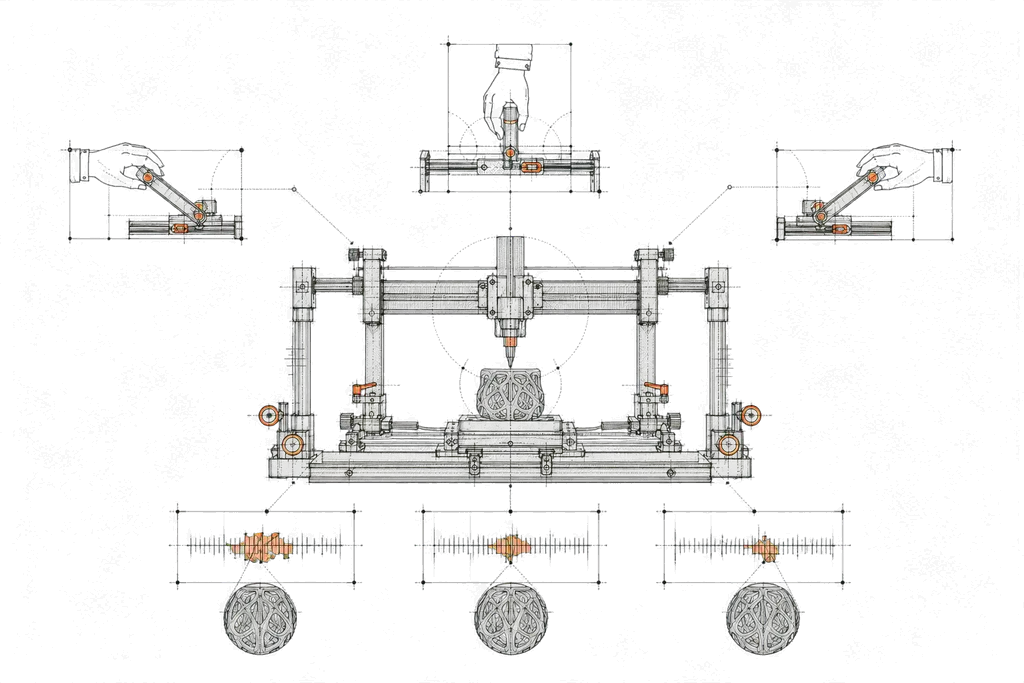
How much work must be repeated for understanding to advance?
Complex situations continue: a source arrives, an account is challenged, a conclusion revised, another person takes over, or a question appears weeks later.
Continuity cost measures the effort to incorporate such changes through additional time, actions, rereading, and reconstructed work. More repeated work means a higher cost of continuity.
Memory creates valuewhen it reduces future work.
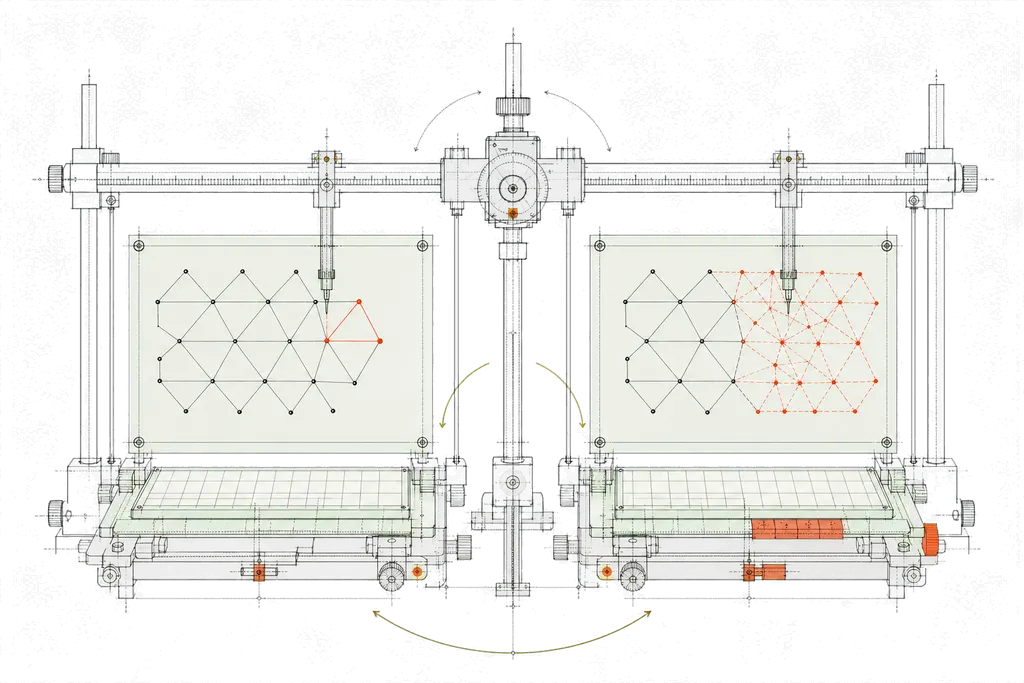
The test begins where the first answer ends.
A technology can perform well on one question and lose its advantage as the situation evolves.
The benchmark deliberately adds new questions, sources, revisions, contradictions, and handoffs. The first answer tests immediate capacity; what happens afterward tests sustained understanding.
The first answer measures immediate capacity.What follows measures continuity.
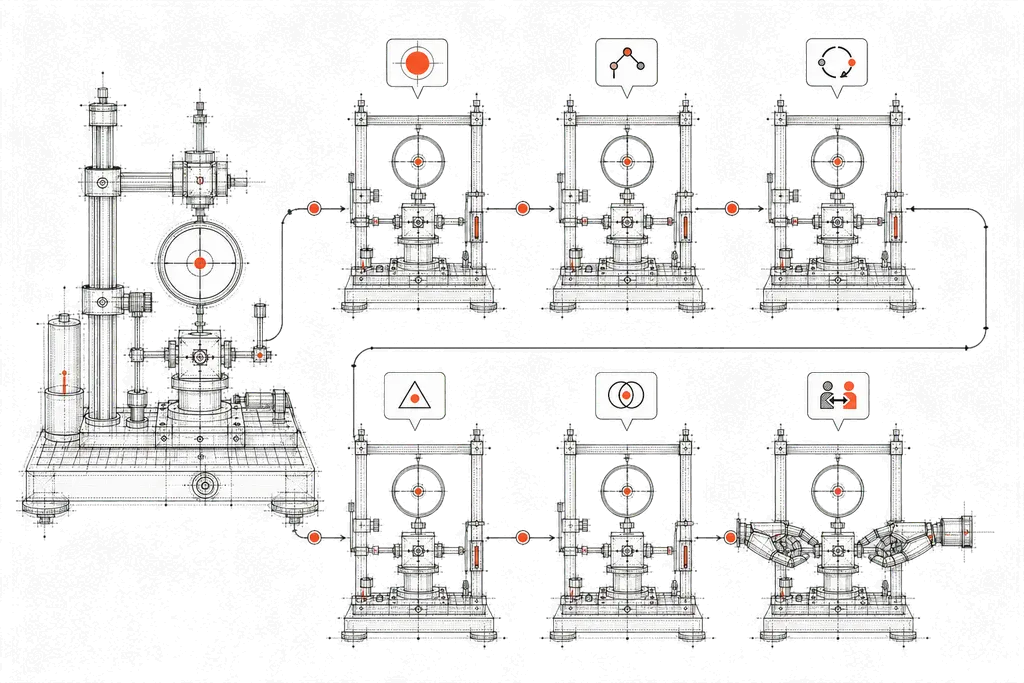
Comparison requires controlled conditions.
Results are interpretable only when the conditions that produced them are clear.
Each run must record the corpus, tasks, operator profile, architecture, interfaces, models, tools, versions, evaluation criteria, elapsed time, interventions, and limitations. A comparison is valid within those conditions, not outside them.
A result without a protocol is a demonstration.A benchmark requires method.
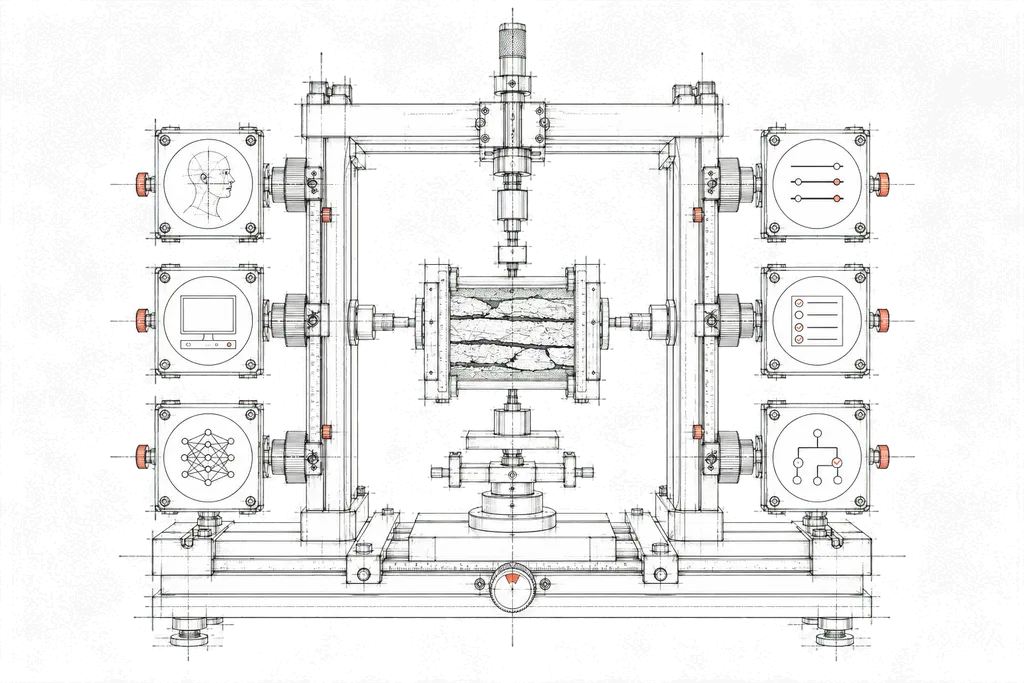
Quality is a condition of measurement.
Reducing time is an advantage only if minimum quality criteria remain satisfied: correctness, coverage, traceability, consistency, and recognition of uncertainty.
Verification effort is part of the cost of understanding. Fast answers that shift work into finding sources, checking claims, or rebuilding context have relocated the cost, not removed it.
Speed without verifiabilityonly moves the work elsewhere.
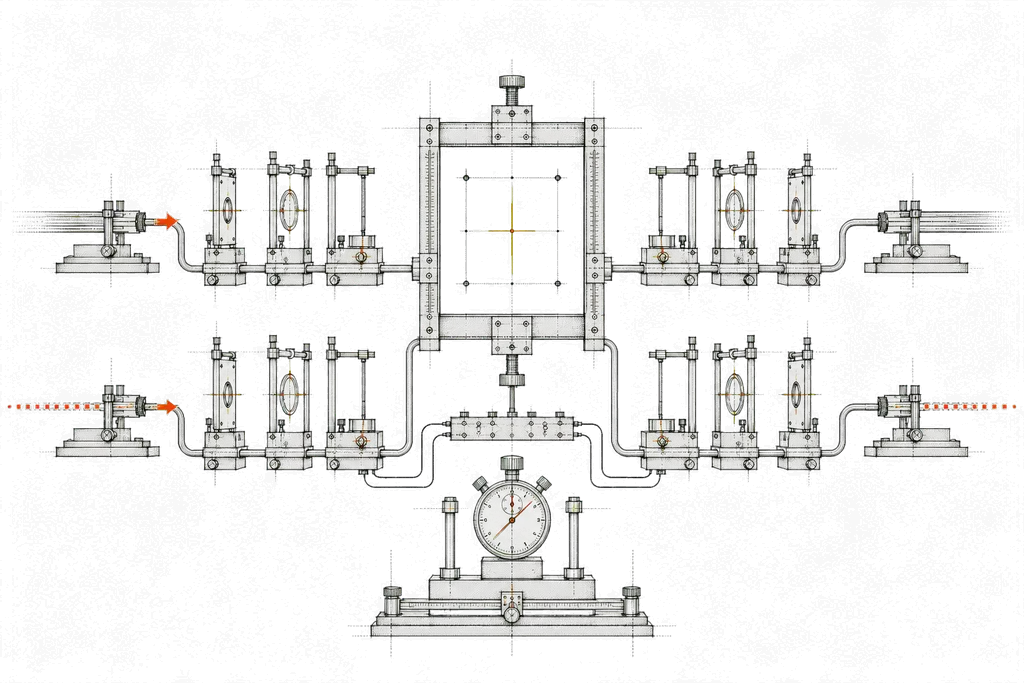
The benchmark measures complete configurations.
Every result identifies the exact architecture, interfaces, models, tools, protocol, and operator profile used.
To isolate a single layer’s contribution, a comparison must vary only that dimension while controlling the rest. A full-system test cannot justify a causal claim about one component.
Measuring the whole does not authorizecausal conclusions about the parts.
Evidence for a technology thesis.
The benchmark turns Trailon’s technology proposal into a measurement program.
Time to Understanding, structural coverage, operator dependence, and continuity cost describe four dimensions of the work required to build, verify, and sustain understanding.
Protocols, formulas, and corpora may evolve, and results may change. The commitment remains the same: