


“Approved at the August 14 meeting.”
- final outcome
- date and participants
- a few attachments
- a short justification
Months later, someone finds the outcome—but not the alternatives, evidence, limits, and context that made the choice defensible.
Trailon preserves the decision state so an organization can understand what it knew, what it considered, who decided, and what happened next.
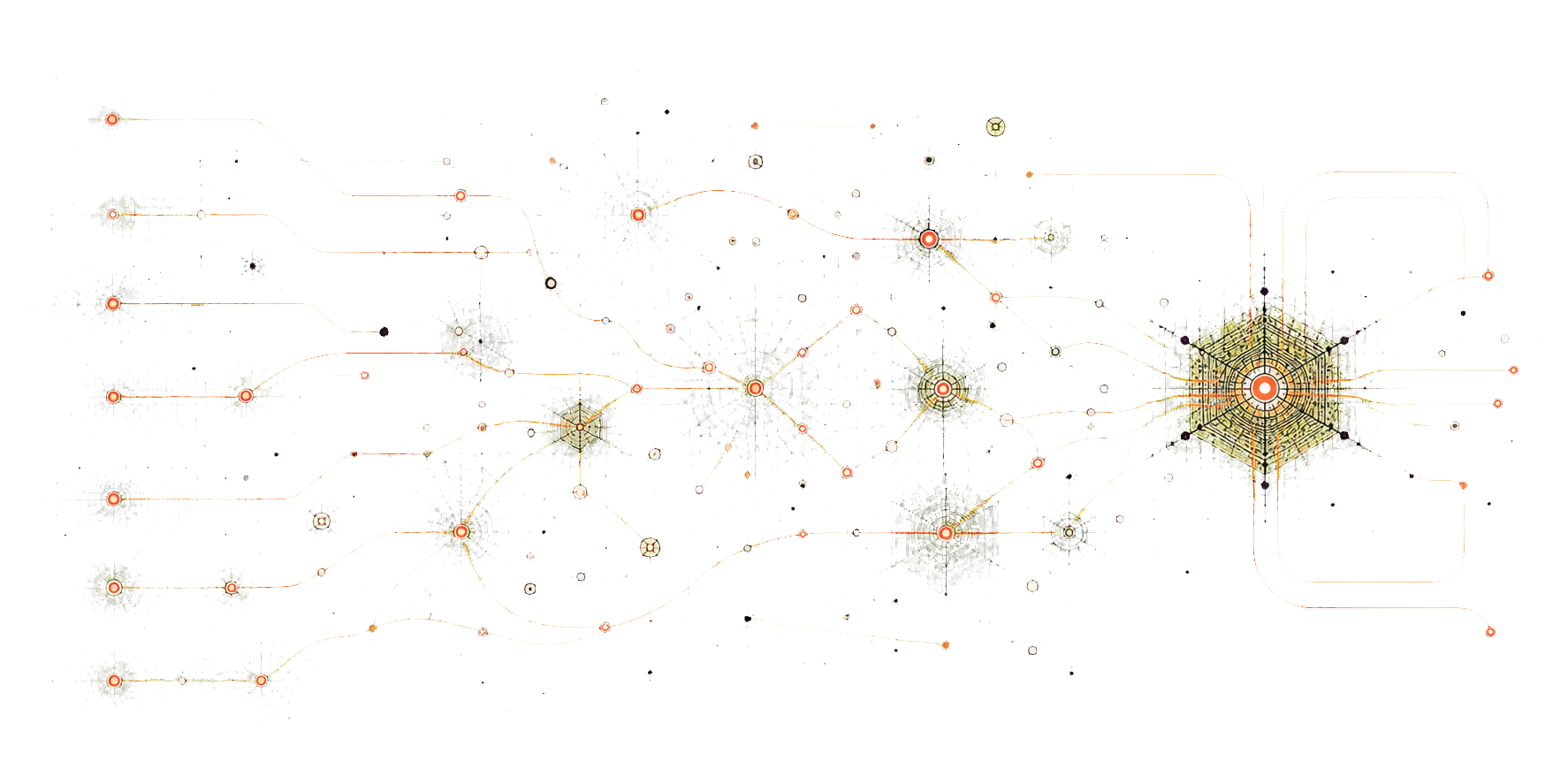
Minutes show that something was approved. Decision memory explains why that choice made sense under the conditions available.
Recording an outcome is not preserving the reasoning that makes it usable.
A decision Projection keeps the outcome, alternatives, arguments, evidence, limits, and consequences within the same persistent situation.
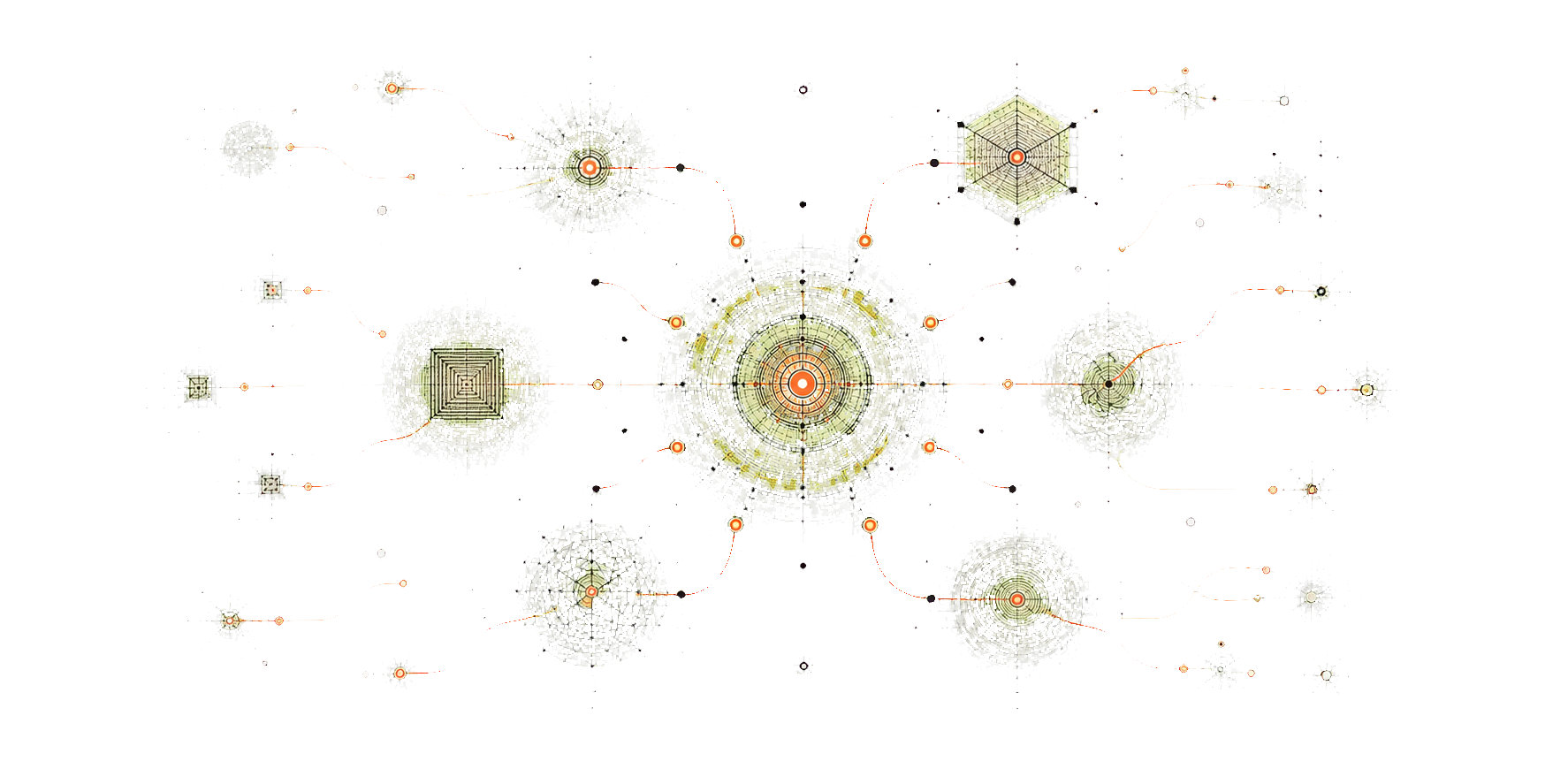
What needed to be resolved at that moment.
Paths evaluated, including those not chosen.
What the organization knew when it decided.
Conditions that shaped the decision without disappearing from its record.
Who made the judgment and in which forum.
What happened afterward and what needs review.
New information, changed conditions, or an unexpected consequence may call for review. The earlier path remains verifiable.
So a review can be compared, rather than made retrospectively “obvious.”
Recommendation, review, and decision remain distinct responsibilities.
Later consequences can change a reading without erasing history.
In Trailon, the timeline, related records, and provenance remain available so today’s reading does not detach from the situation that produced it.
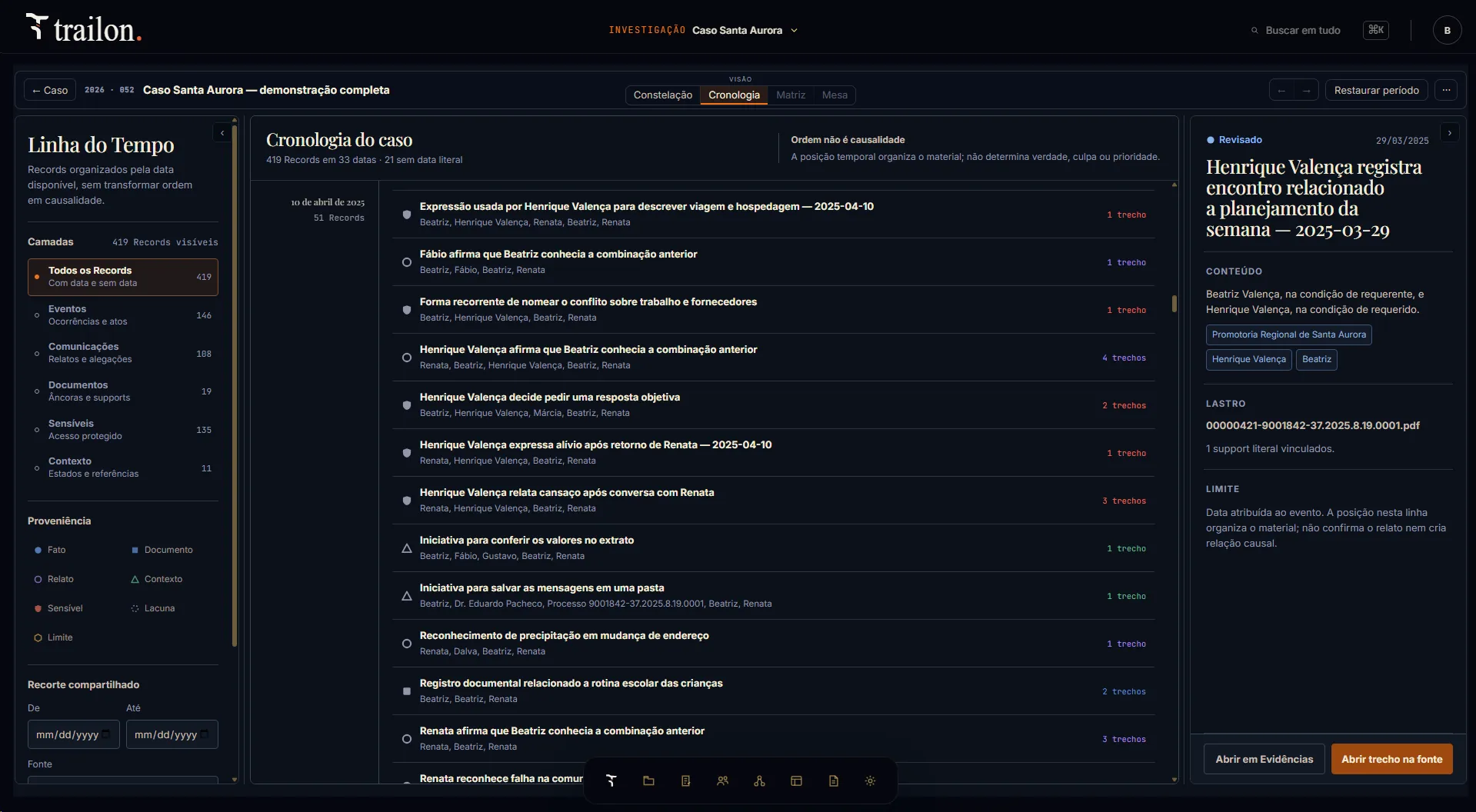
Boards, committees, executives, tickets, minutes, email, and documents remain records. Trailon preserves the situation connecting them.
Rationale need not be reconstructed whenever a decision returns to the agenda.
New owners understand the current state and the earlier path.
A decision can change without pretending its earlier context never existed.
Recommendation, approval, and decision remain distinguishable.
Similar cases can recover relevant criteria and internal precedents.
Every justification can return to the material available at the time.
Give decision-makers and their successors the context needed to continue, review, or explain a choice.